Best Time to Go Skiing in 2026/27

December is the cheapest, January the snowiest, March the sweet spot. This guide breaks down the European ski season month by month, covering snow reliability, slope crowd levels and ideal travellers for each period.
Read More →What Ski Equipment Do You Need?
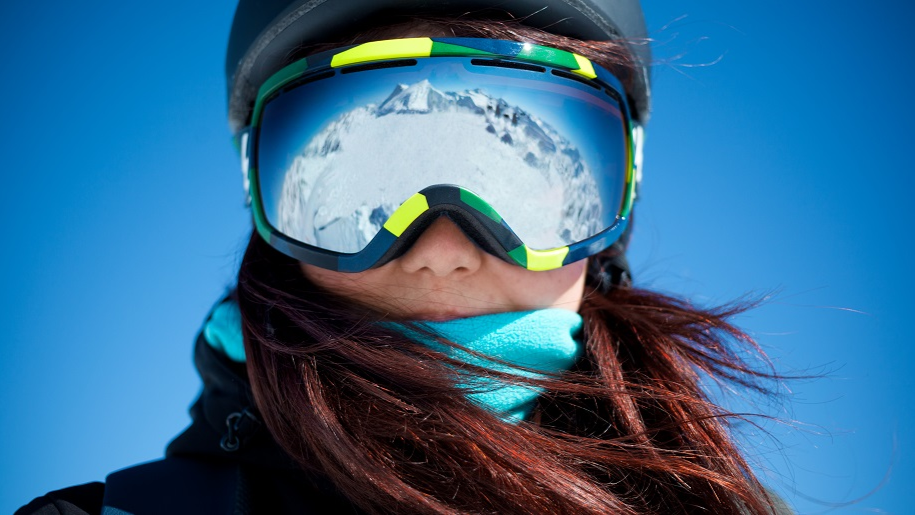
Skis, boots, bindings, poles, helmet, goggles, jacket, pants, gloves, layers, and base protection. This guide helps new and intermediate skiers build a complete kit without buying unnecessary equipment they will outgrow.
Read More →Best Safety Gear for Skiing 2026/27
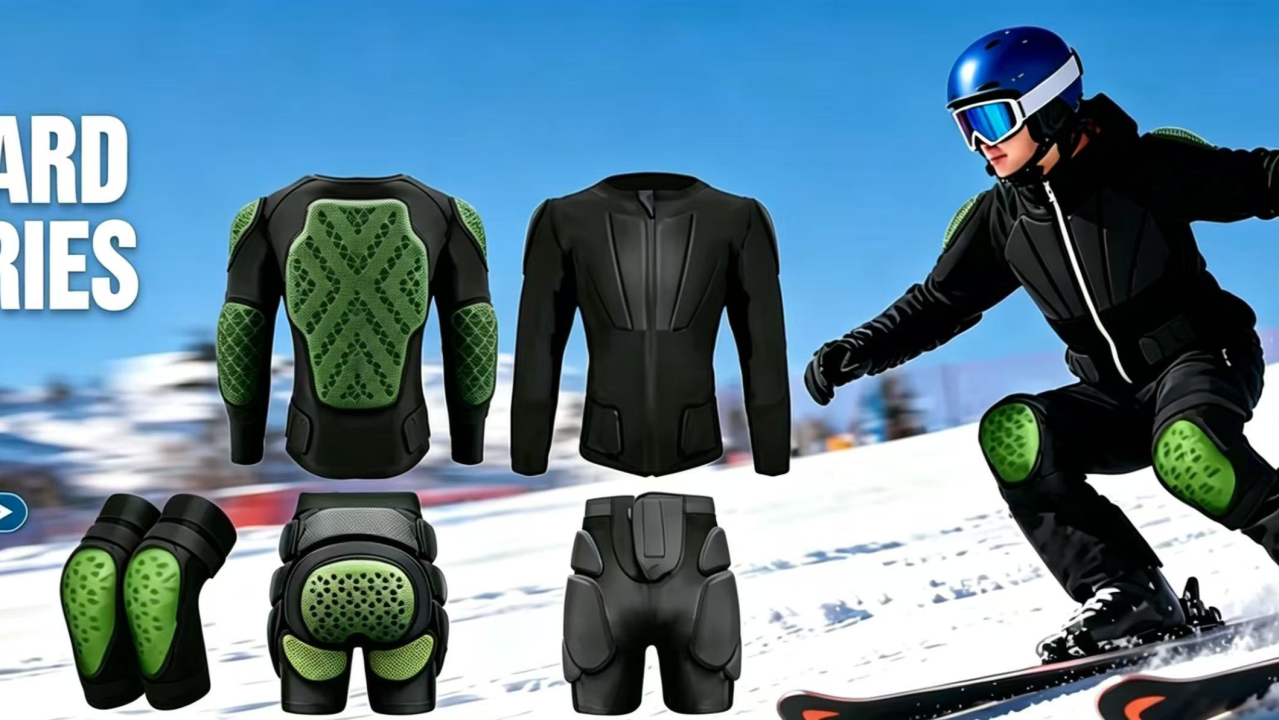
A complete guide to certified ski safety gear: EN 1621-1 certified back protectors, impact shorts, knee pads, wrist guards and helmets. Which standards matter, which gear combinations are ideal for different rider types.
Read More →Choosing a Reliable Ski Protection Supplier
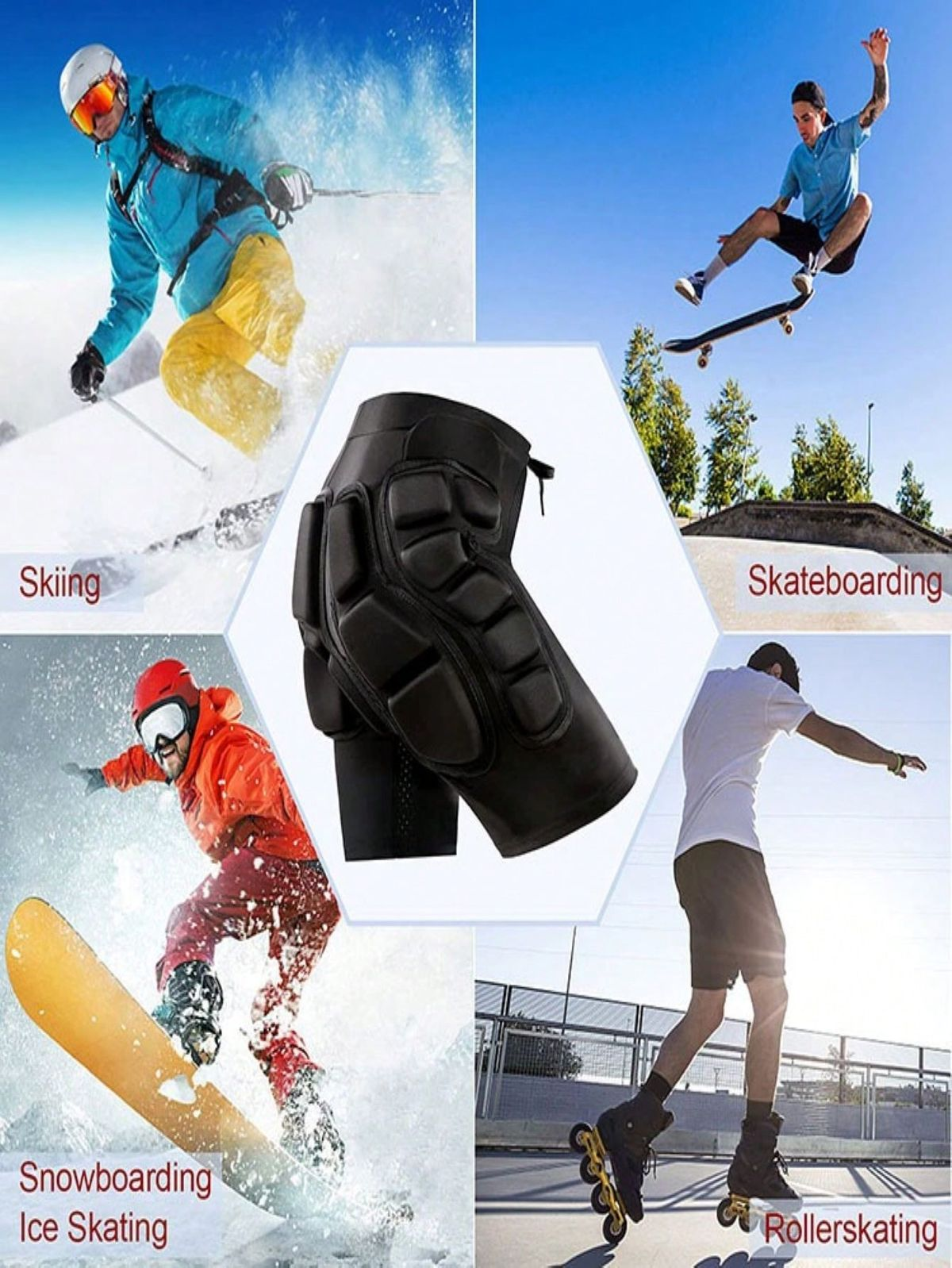
What makes a ski protection supplier reliable? Look for EN 1621-1 certification on real test reports, ISO 9001 factory certification, a track record of B2B exports, transparent MOQ terms, and willing sample programs.
Read More →CE EN 1621: What Buyers Must Know

EN 1621-1 sets the standard for ski and motorcyclist protection. This article explains the difference between Level 1 (under 18 kN average transmitted force) and Level 2 (under 9 kN average).
Read More →Low-Temperature Foam: What You Need
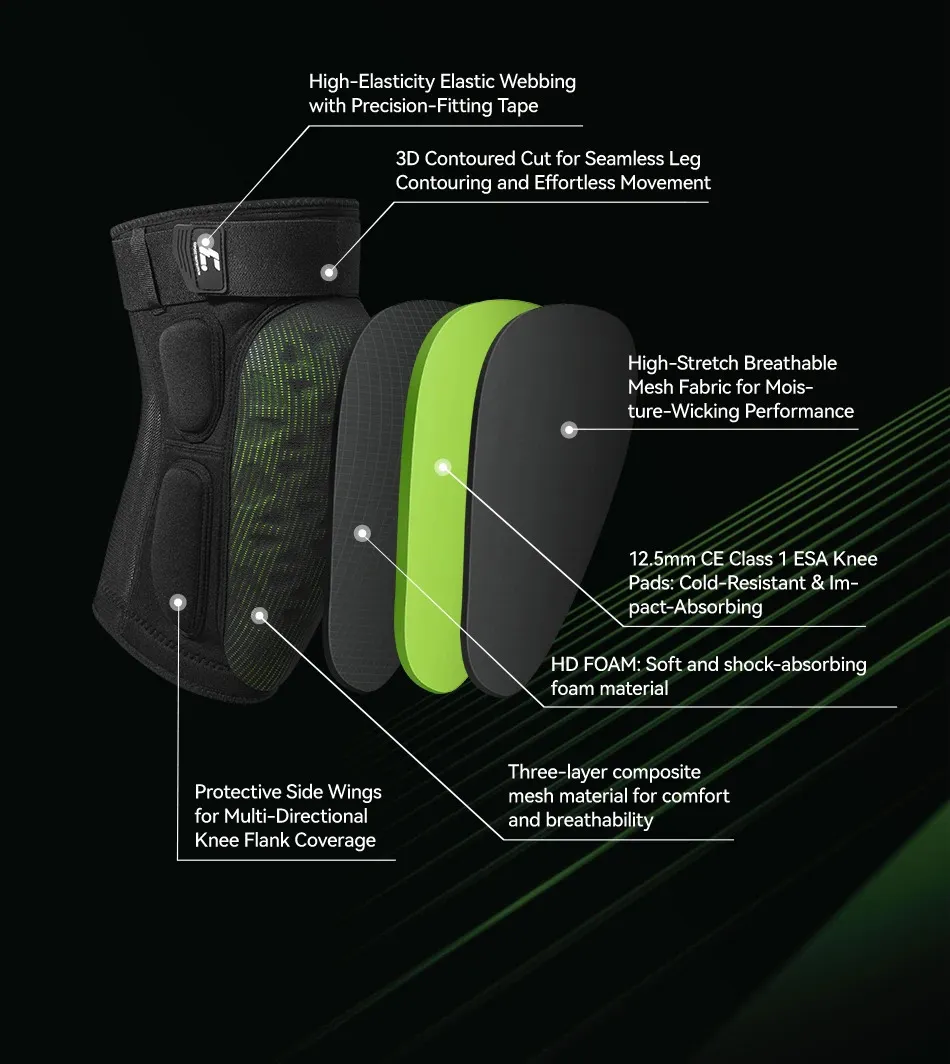
Standard EVA foam stiffens below -10°C and loses protective value in real mountain conditions. This article explains cold-rated materials — cold-tolerant EVA, D3O, and XRD.
Read More →5 Signs of Low-Quality Snowboard Protection
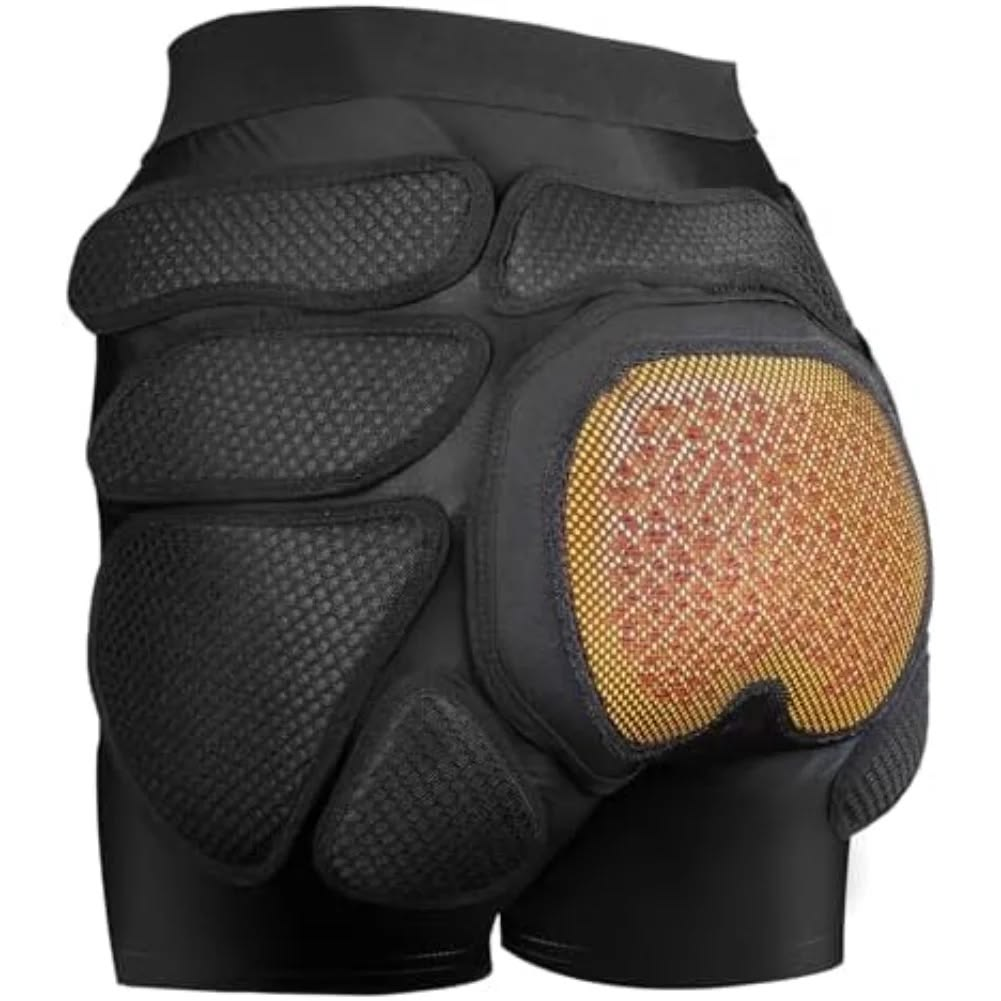
Cheap snowboard protection is tempting but dangerous. Five sure signs of substandard pads include thin foam density, missing CE certification, weak stitching, hard plastic shells.
Read More →Why Most Ski Pads Fail in Cold Weather
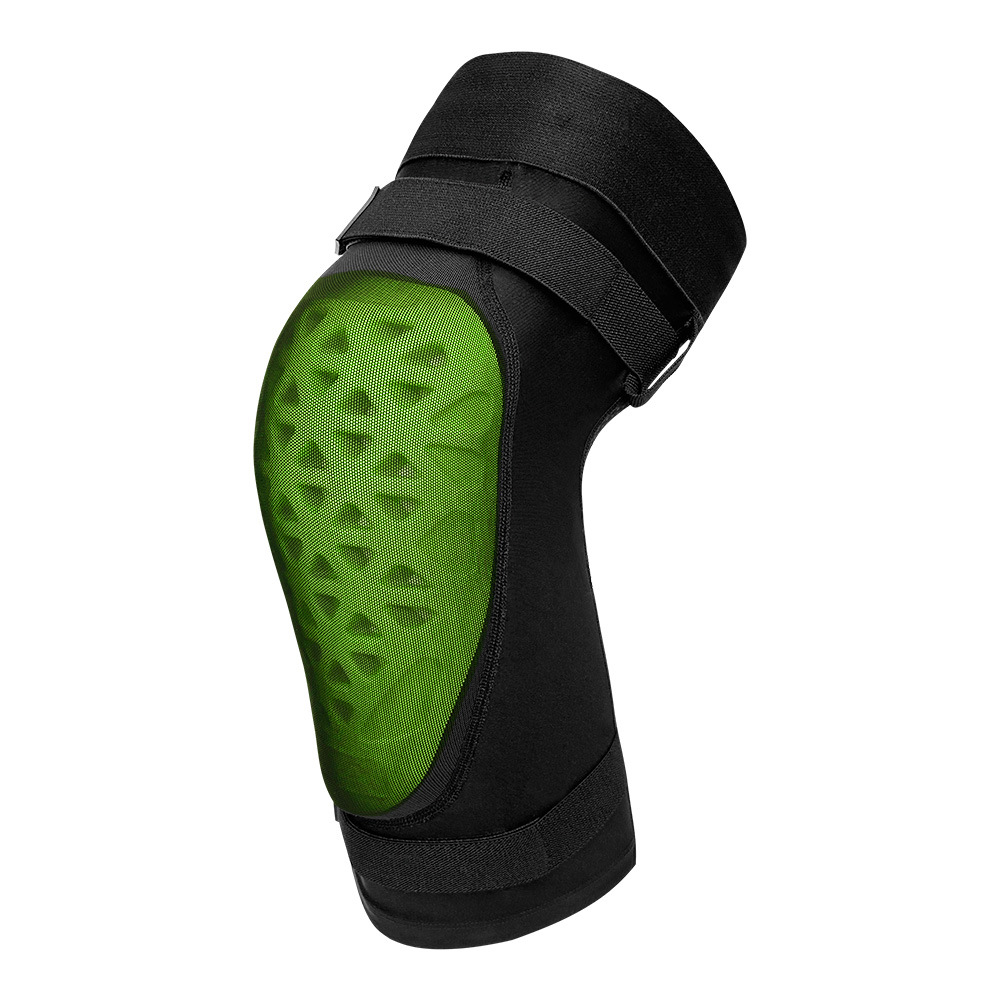
If your ski protector feels rock-hard at -15°C, it has lost most of its protective value. This article explains the polymer science behind cold-weather failure.
Read More →Casual vs Extreme Ski Protection
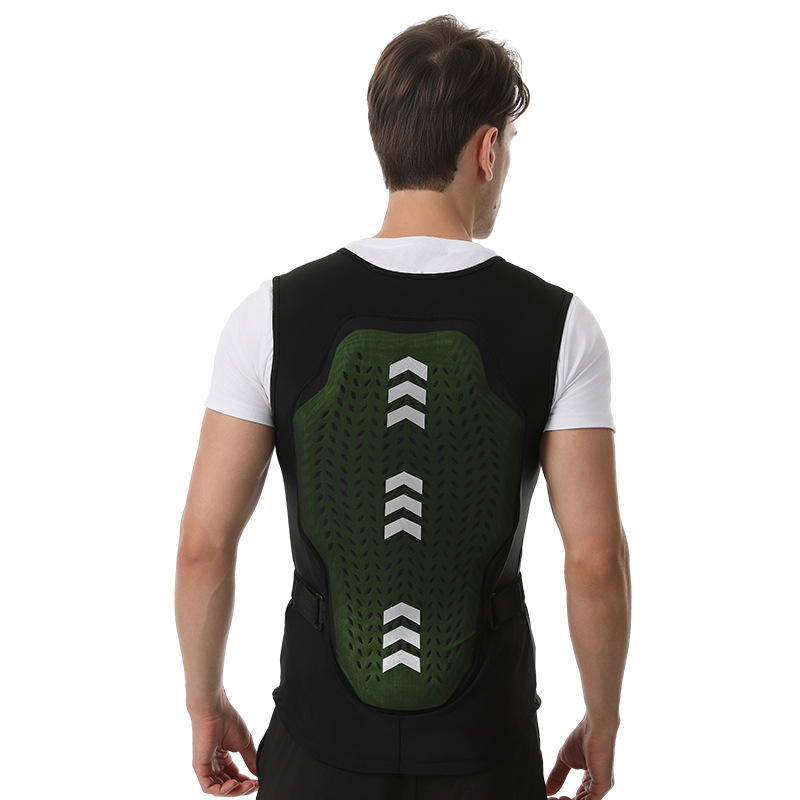
Casual resort skiers need different protection than backcountry and freestyle riders. This guide explains the design and material choices behind each category.
Read More →How to Choose a Ski Back Protector
Choosing between Level 1 (under 18 kN transmitted force) and Level 2 (under 9 kN) comes down to riding aggressiveness and terrain. This guide compares weight, cost, certification.
Read More →XRD vs D3O vs EVA: Ski Materials
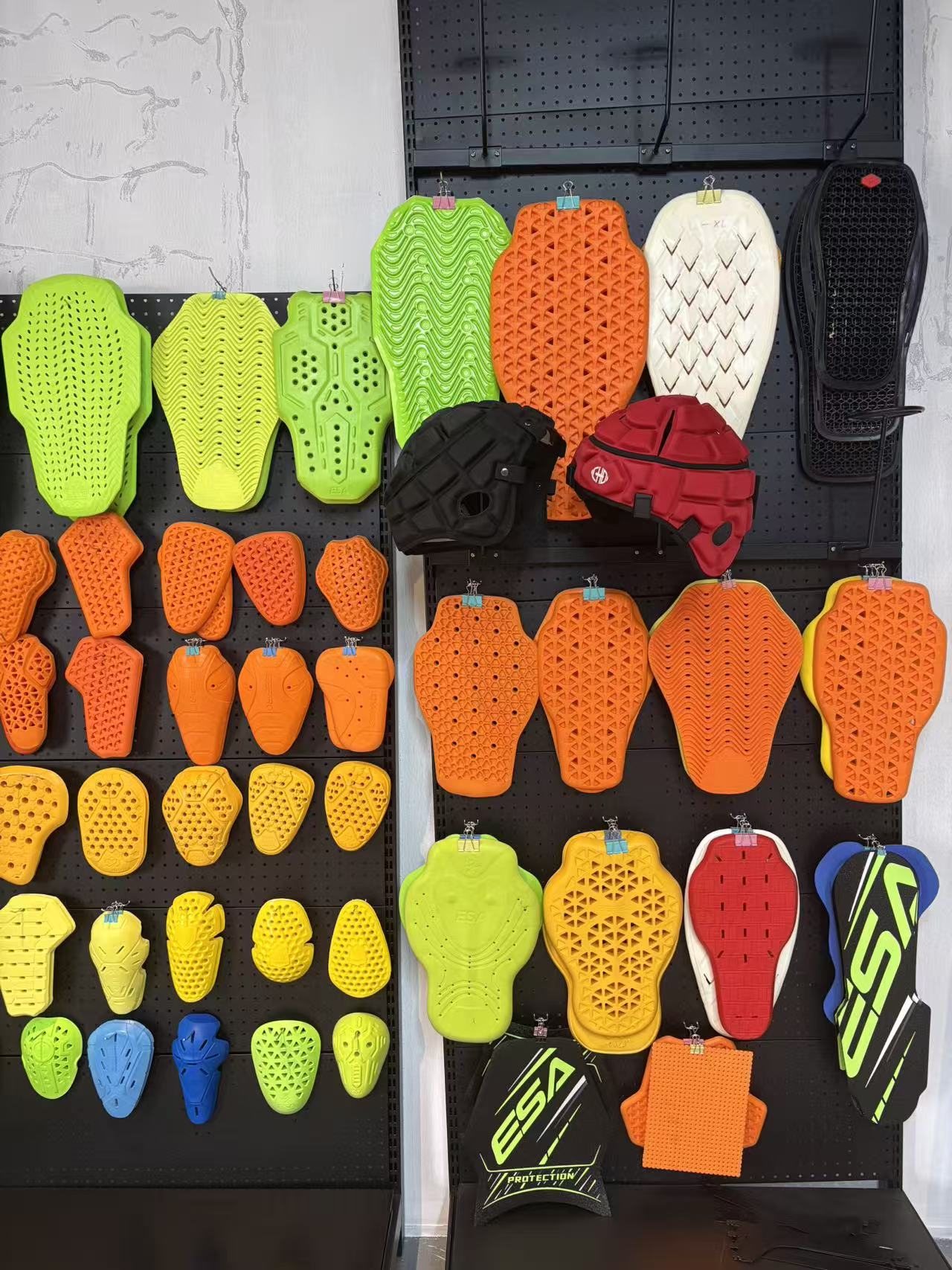
Three materials dominate ski protection: XRD (premium cold weather, 90% impact absorption), D3O (versatile, mid-cost, all-mountain), and EVA (entry-level, warm conditions).
Read More →Ultimate Guide to Ski Hip Protection
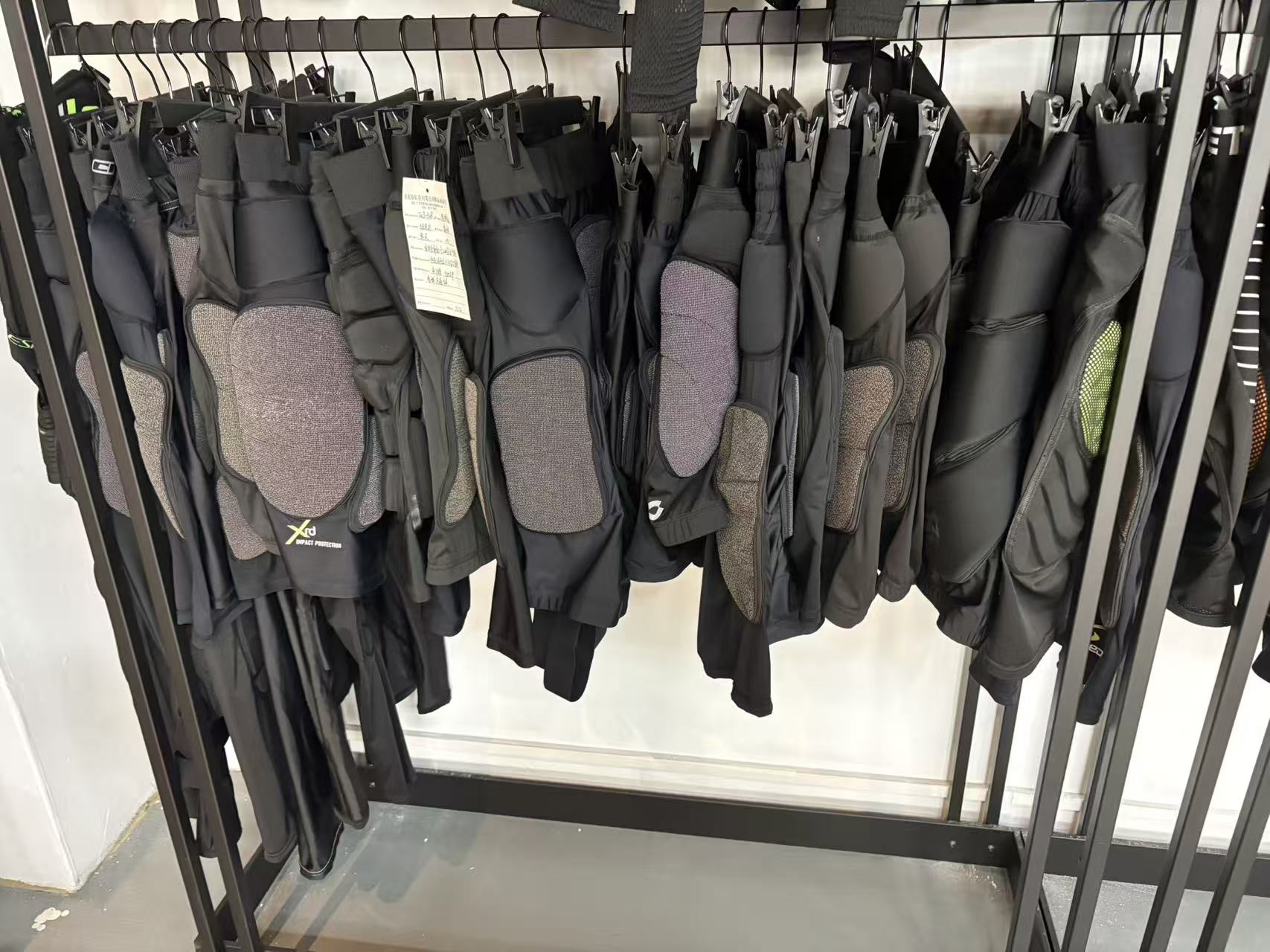
Hip injuries make up 20% of all ski injuries each year. This guide explains how impact shorts reduce bruise severity, the three construction styles.
Read More →5 Mistakes When Sourcing from Chinese OEM
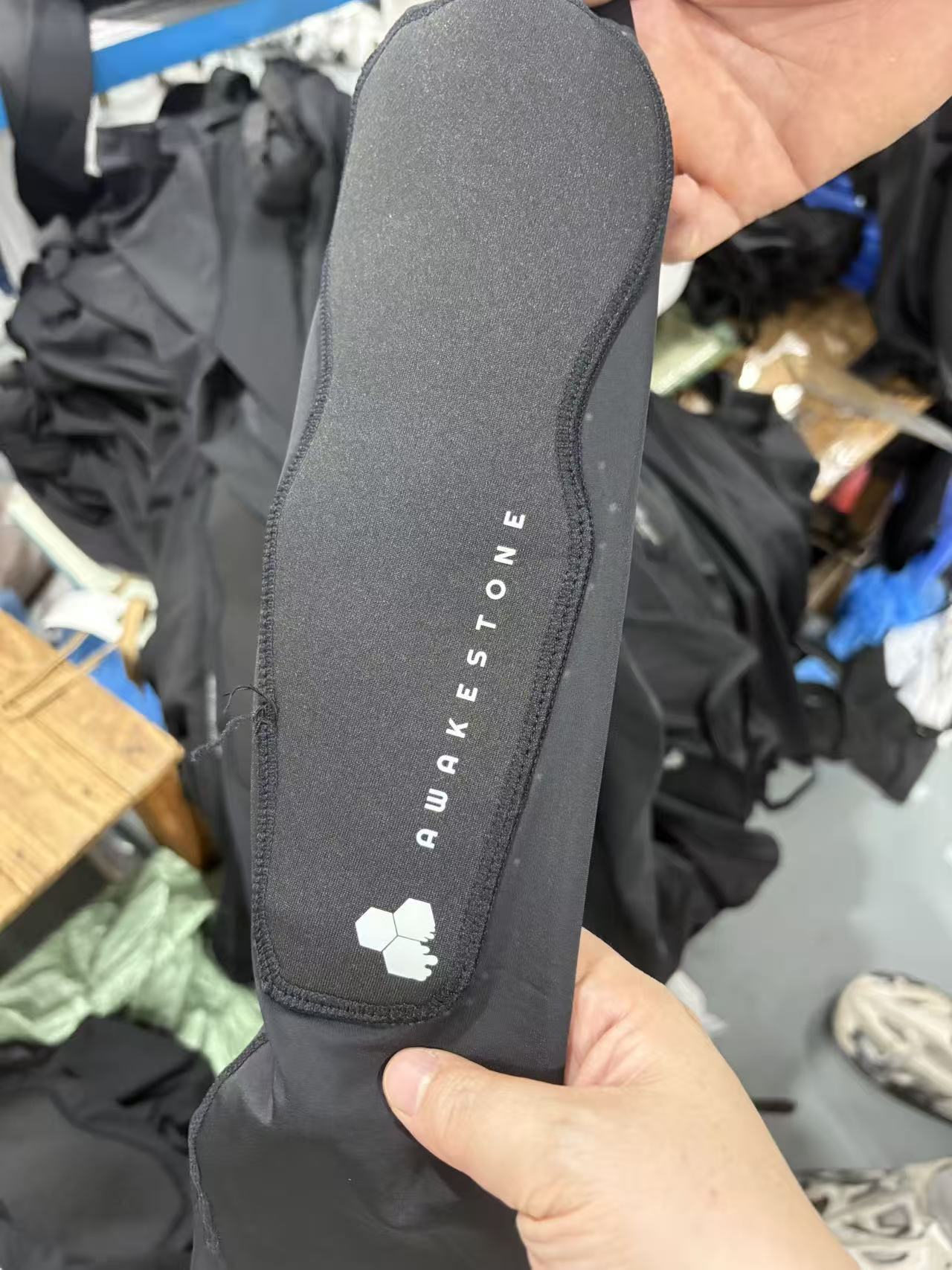
Sourcing from Chinese OEMs saves 30-60% on costs but introduces real risk. Five expensive mistakes: skipping factory audits, ignoring MOQ flexibility.
Read More →How Cold Weather Affects Ski Protection
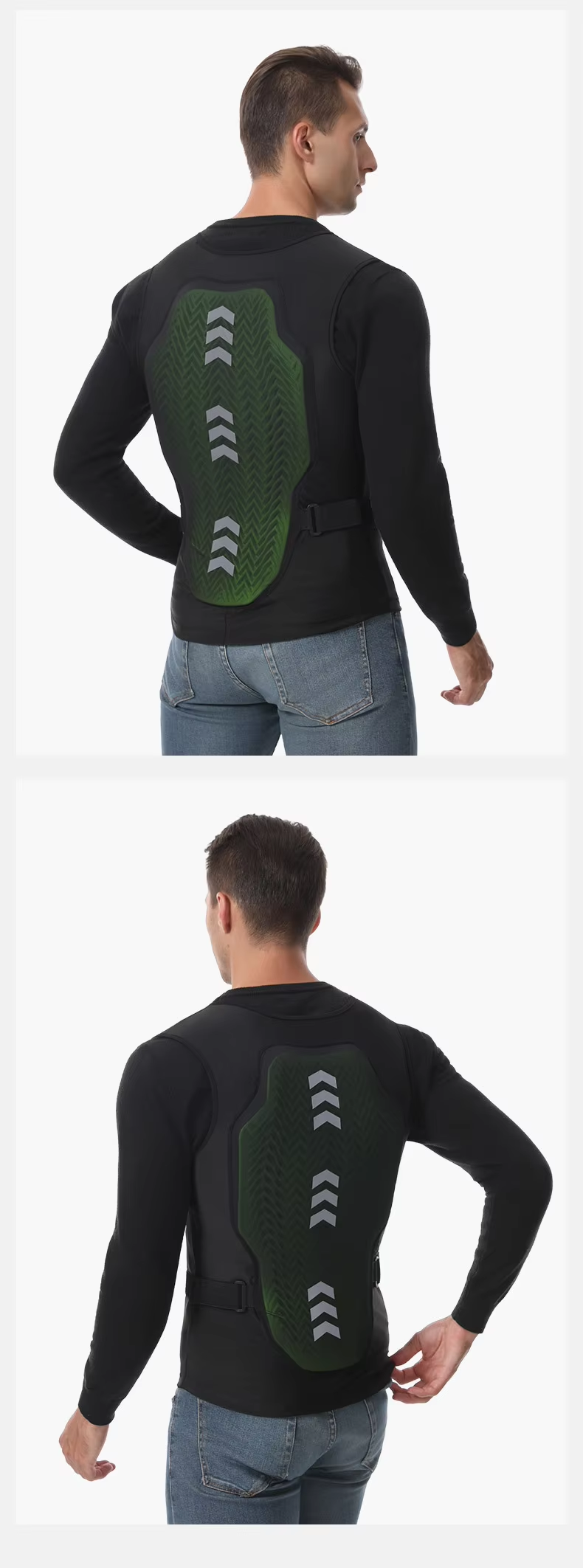
Standard EVA becomes rigid at -10°C and loses 50% of its protective value at -15°C. This article explains the science, the certification gap.
Read More →Ski Impact Shorts Materials Guide
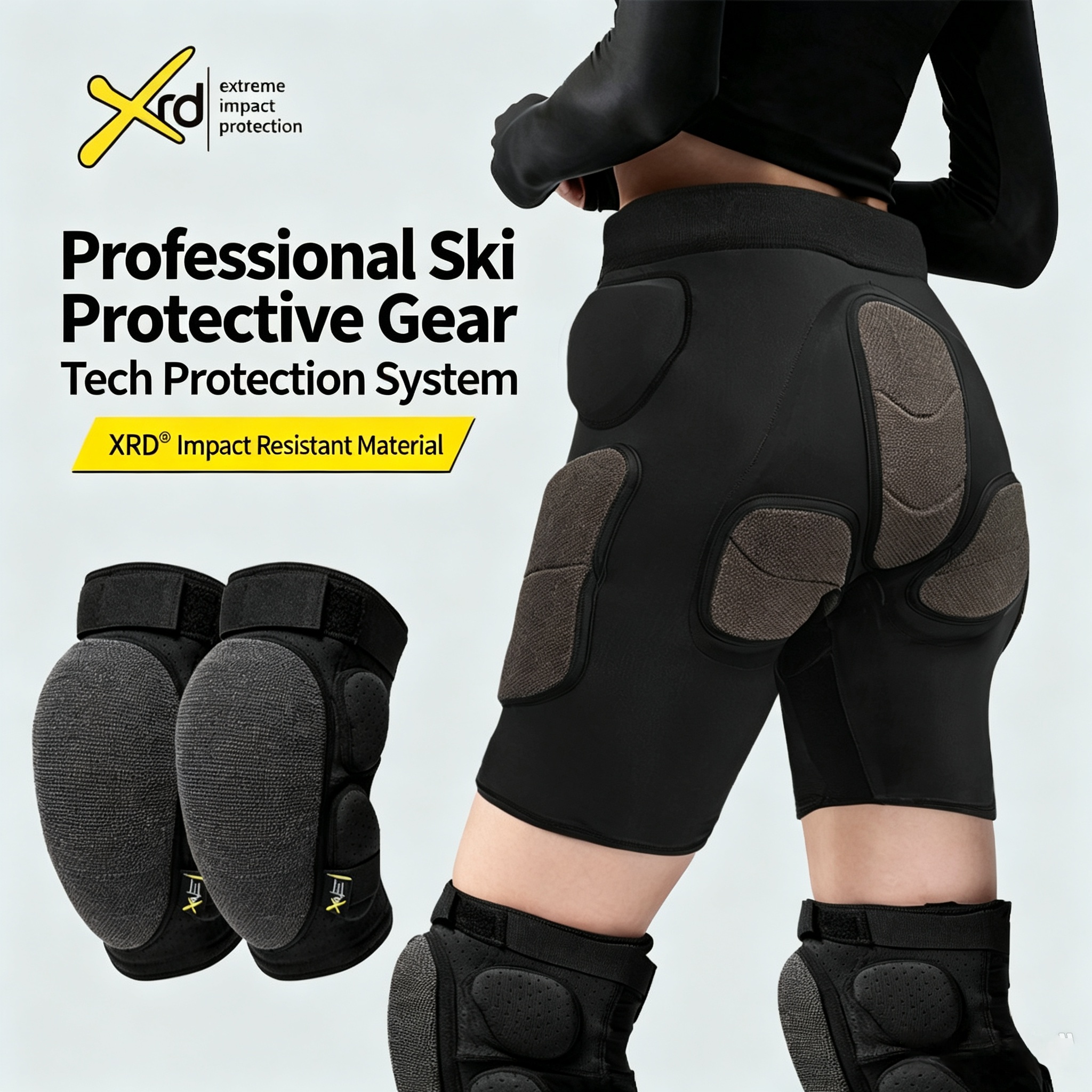
The foam inside ski impact shorts determines how well they protect. This guide compares EVA (budget), D3O (mid-tier intelligent material), and XRD (premium cold-weather).
Read More →EN 1621-1 vs CE Certification Guide
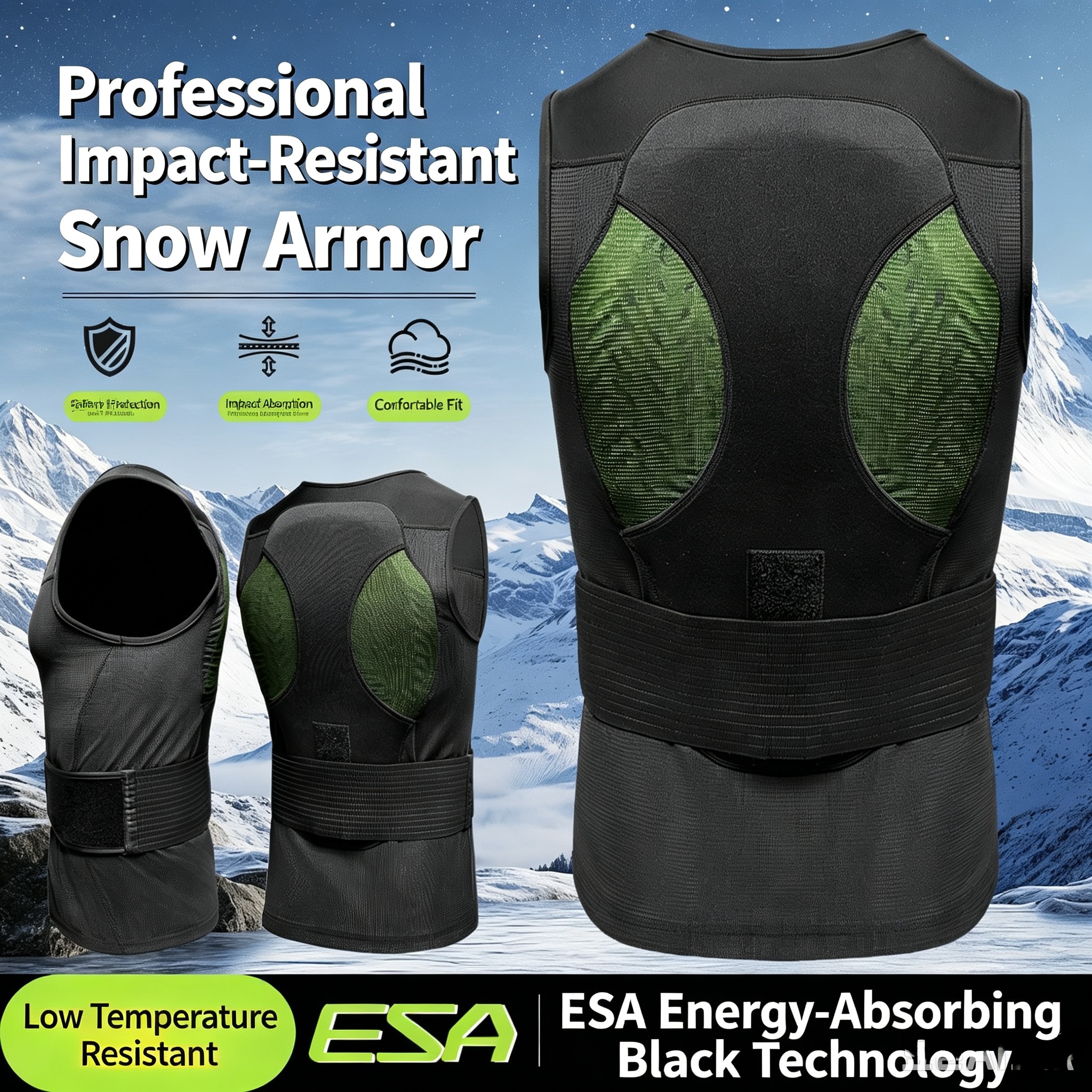
EN 1621-1 is the European standard every ski back protector and knee pad needs. This guide explains what it tests, Level 1 vs Level 2, how to verify certificates.
Read More →Wholesale Ski Protection OEM Pricing Guide
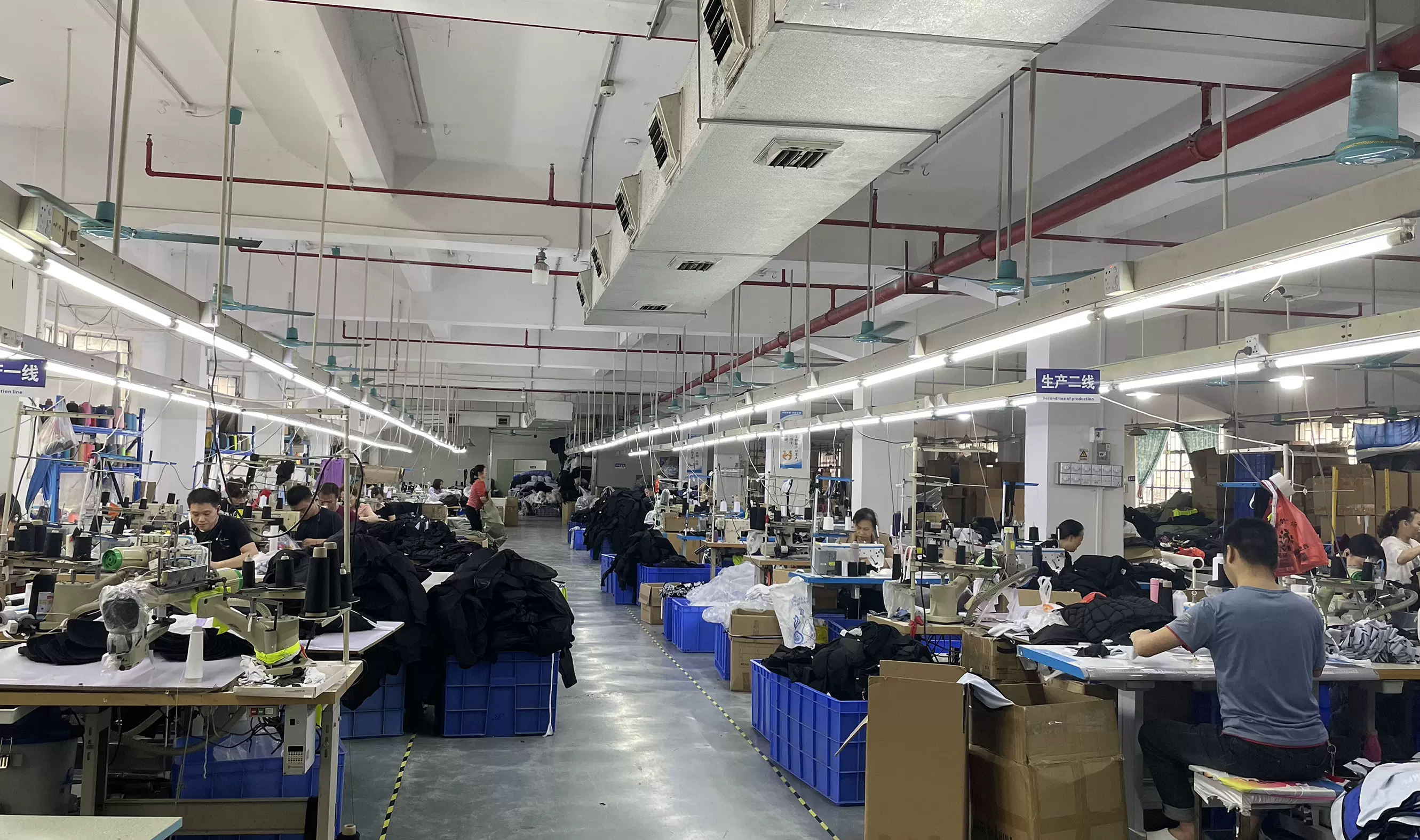
Sourcing ski protection from Chinese OEM factories requires understanding MOQ, lead time, pricing tiers, payment terms, and shipping options.
Read More →5 Things to Verify When Sourcing
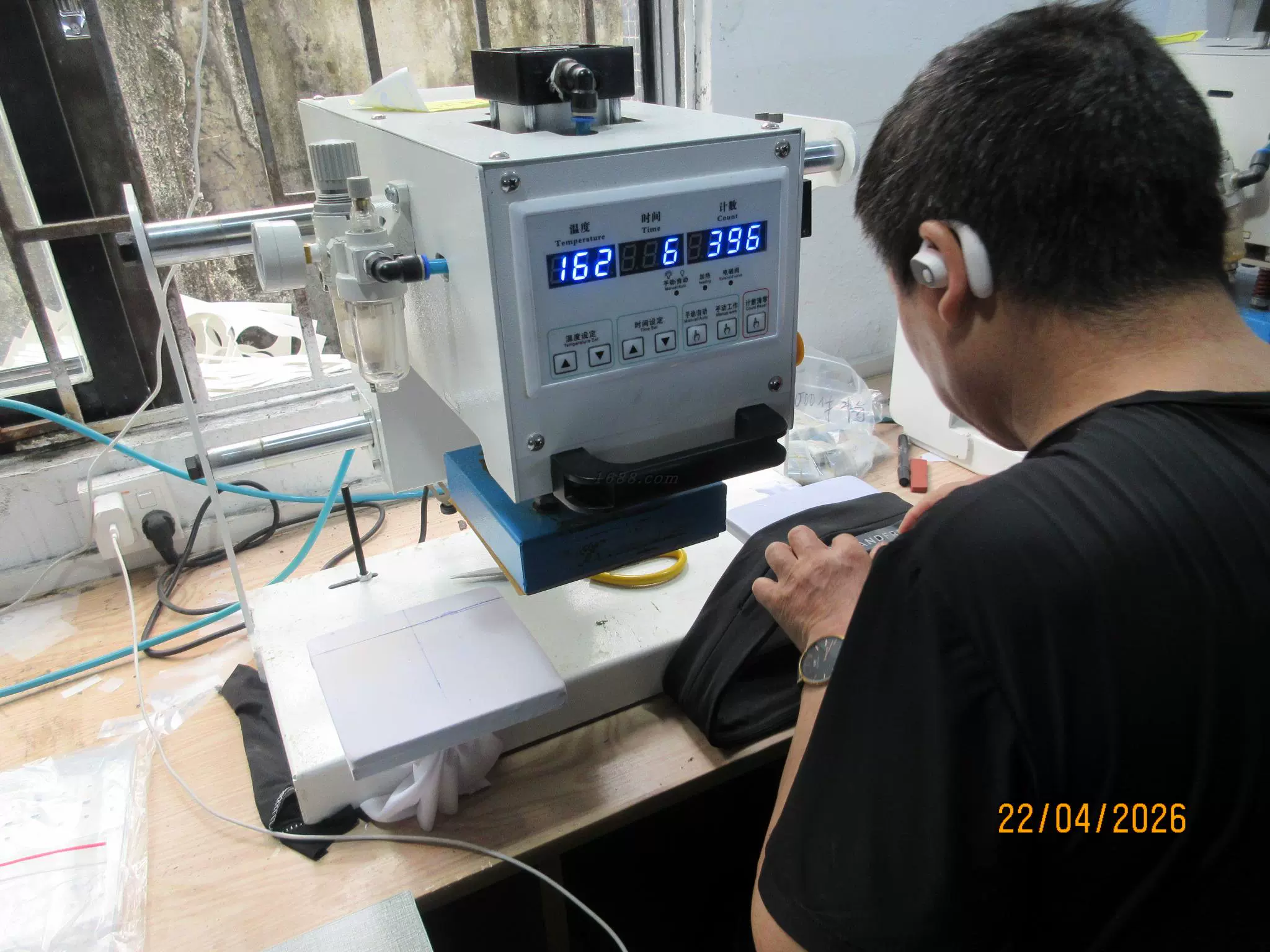
Sourcing ski protection from China carries real risk if you skip verification. This guide covers the five most important checks before placing a bulk order.
Read More →How to Choose a Ski Impact Shorts Manufacturer in China
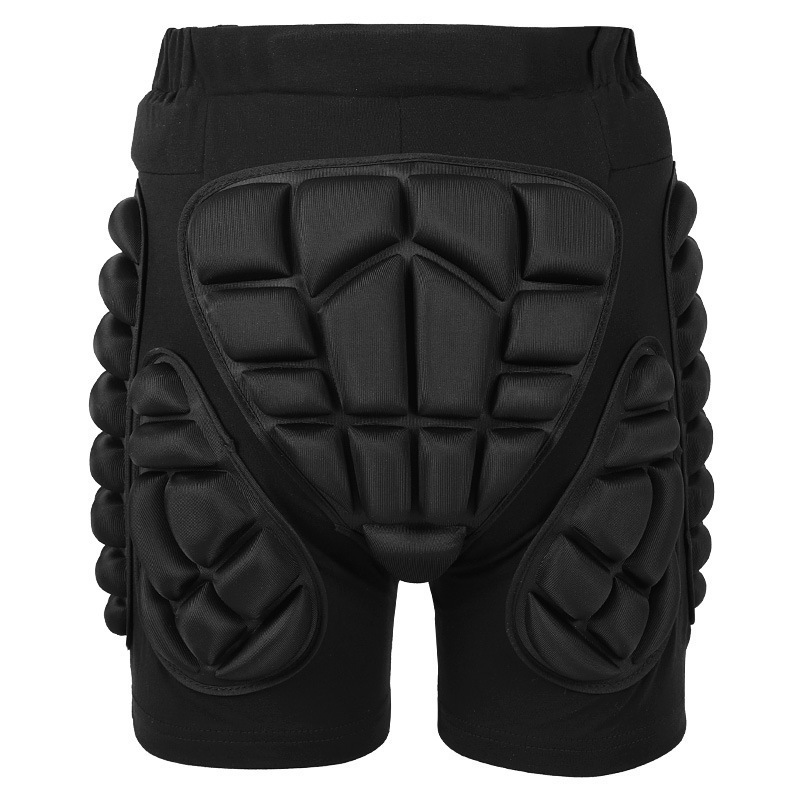
Practical guide for ski brands, Amazon sellers, and crowdfunding founders: 6 steps to find a reliable China OEM manufacturer for ski impact shorts — from material hierarchy (EVA/XRD/D3O) to EN 1621 certification, MOQ, and pricing.
Read More →How to Import Ski Protection Gear from China: Complete Guide
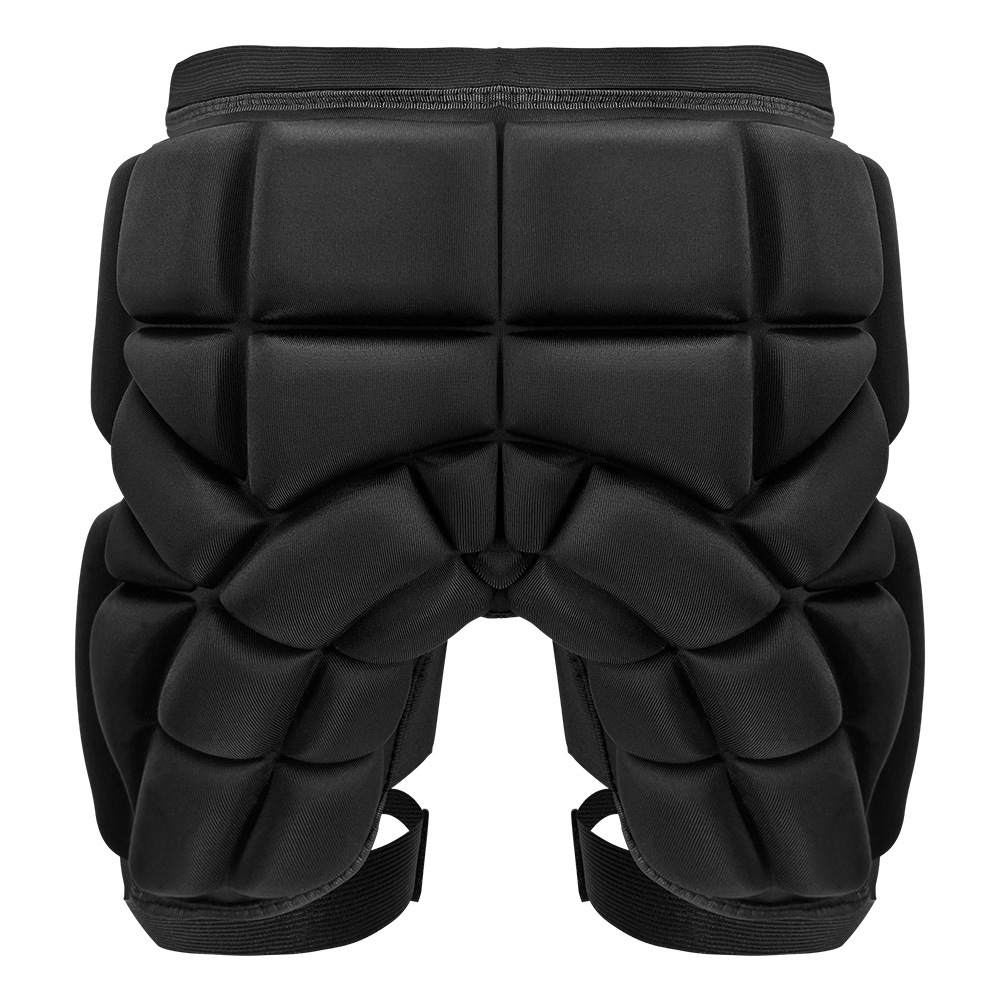
Complete 2026 guide to importing ski protection gear from China: finding specialized factories, verifying EN 1621 certification, FOB pricing, MOQ, Incoterms, shipping logistics, and quality control for impact shorts, knee pads, back protectors.
Read More →