A ski holiday gear list often looks more overwhelming than it is. All core technical ski gear โ€” skis, boots, poles and helmets โ€” can be rented on-site, leaving you to pack only essential clothing and small accessories. Beginners only need to focus on gear that boosts on-slope comfort and safety. This guide covers all must-have ski equipment and layering rules. Use our <strong>ski equipment buying guide</strong> to decide whether to rent or buy, browse<strong>best beginner</strong> for product picks, or explore<strong>beginner</strong> to plan your trip.
1. Resort Rental Ski Equipment
Four items form your essential ski setup: boots, skis, poles and helmets. Renting all four is ideal for first-timers and casual skiers. Rental shops custom-fit gear to your size, weight and ability, with free in-trip swaps for any ill-fitted equipment.
Ski boots are the most critical gear, acting as the bridge between you and your skis. Their fit directly controls your stability, learning speed and comfort. Fitted boots should feel snug but pain-free: toes lightly touch the front when standing straight and shift back slightly in a skiing stance. Loose boots ruin turning control and slow your progress.
Rental skis and poles are professionally matched to your ability. Beginner skis feature short, soft flex for easy low-speed turns. Helmets are legally required for under-18s in Italy and parts of Austria, and included free in most European resort rental packages.
2. On-Slope Ski Clothing: The Layer System
Ski clothing relies on a simple three-layer system that adapts to all mountain weather. A moisture-wicking base layer, insulating mid layer and windproof, waterproof outer shell easily adjust for sunny spring days or winter blizzards.
The base layer wicks sweat away from your skin. Use merino wool or synthetic fabrics โ€” cotton is strictly avoided, as it traps moisture and leaves you cold. Stick to dedicated thermal tops and leggings.
The mid layer retains body heat, with fleece, light down and synthetic puffers all suitable. Skip it on warm days or use thicker styles in cold weather for flexible temperature adaptation.
Your ski jacket and trousers block wind, snow and moisture. Durable enough for years of use, quality ski wear features a minimum 10,000mm waterproof rating, taped seams and ski-specific details like powder skirts, wrist gaiters and helmet-compatible hoods.
3. Essential Ski Accessories Worth Packing
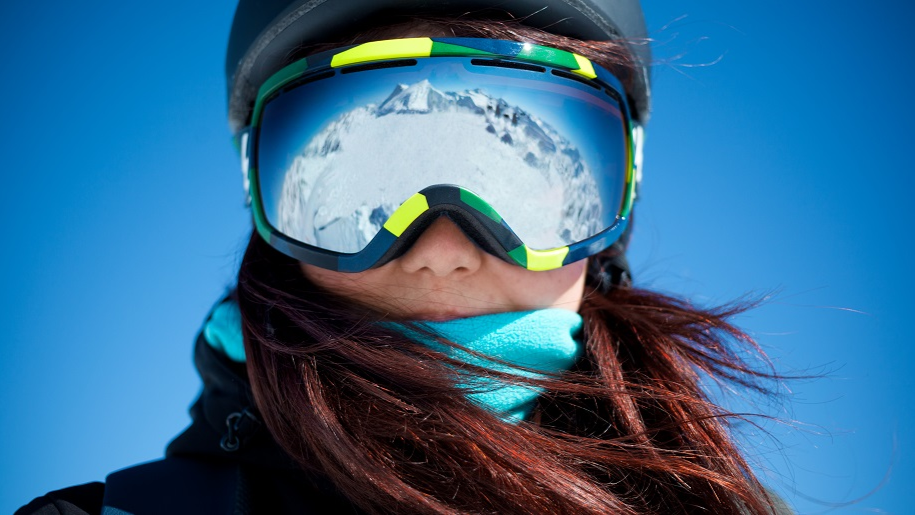
UV400 ski goggles are mandatory. High-altitude UV radiation is intense, and snow reflects 80% of sunlight, causing eye strain and sunburn even on cloudy days. Goggles block UV, wind and snow glare, with over-glass or prescription options available for glasses wearers.
Insulated, waterproof ski gloves or mittens keep hands warm and dry. Fashion and wool gloves soak quickly and perform poorly on snow. Mittens offer better warmth, while standard ski gloves provide more dexterity for handling gear.
Always wear one single pair of thin, moisture-wicking knee-high ski socks. Double layering or thick hiking socks cause pressure points, restrict circulation and make feet colder.
A neck gaiter blocks wind and cold. Keep SPF30+ sunscreen accessible for regular reapplication. A compact backpack is ideal for storing spare layers, water and sun protection on the mountain.
4. Specialized Gear You Don’t Need for a First Ski Trip
New skiers often overpack unnecessary advanced gear. Back protectors, avalanche transceivers and specialized insulated base layers are built for expert backcountry skiing, and entirely useless for beginners. New skiers only ride gentle, groomed pistes with minimal fall risks and no avalanche hazards.
Avoid purchasing skis and boots as a beginner. Your skills improve rapidly, and entry-level gear will quickly feel unsuitable once you progress to blue runs. Renting lets you test different equipment freely. Only buy personal gear after 3โ€“4 trips, once you know your preferences.
5. Full On-Slope Gear Routine
A standard ski morning routine is straightforward. Dress in base layers, ski socks, a mid layer and waterproof outerwear, then wear a neck gaiter. At the locker, put on fitted boots, collect your skis and poles, then finish with a helmet, goggles and gloves. Always apply sunscreen before heading out.
The routine feels awkward on your first day but becomes effortless by day three. Properly fitted ski gear fades into the background, letting you fully focus on skiing.
Key Takeaways
Rent all core equipment (boots, skis, poles, helmets) for a custom, skill-matched fit.
Well-fitted ski boots are critical: a snug fit improves control, while loose boots hinder learning.
Follow the three-layer system: moisture-wicking base layer, insulating mid layer, waterproof outer shell; no cotton next to skin.
Use essential accessories: UV400 goggles, waterproof gloves and one pair of thin technical ski socks.
Skip advanced specialist gear on your first trip; rent and learn before investing in personal equipment.
Frequently Asked Questions
Do I need to bring my own ski boots?
Renting boots is best for new skiers. Resorts stock full sizes and flex ratings with instant on-site adjustments. Only buy personal boots if you ski regularly and have confirmed your ideal fit and performance needs.
Can I wear normal sunglasses instead of ski goggles?
Sunglasses work for downtime on calm, sunny days, but goggles are essential for active skiing. They fully seal against wind and snow, stay secure during falls and avoid fogging or slipping in harsh weather.
How much does ski equipment rental cost?
Rental prices vary by resort and gear grade. Most shops offer tiered packages, with affordable beginner bundles including boots, skis, poles and helmets. Our ski equipment selection guide helps you pick the right package.
What should I wear under my ski jacket?
Pair a merino or synthetic thermal base layer with a fleece or light puffer mid layer for all-round protection. Remove the mid layer in warm weather or upgrade to thicker insulation in cold conditions. Never use cotton base layers.
Is it worth buying a ski jacket before my first trip?
If budget allows, a ski jacket is a worthy first-timer purchase. Unlike skis and boots, it suits all skill levels and works for general winter use. Choose styles with 10,000mm waterproofing, taped seams and a helmet-compatible hood. Rental options are also available if buying is not feasible.