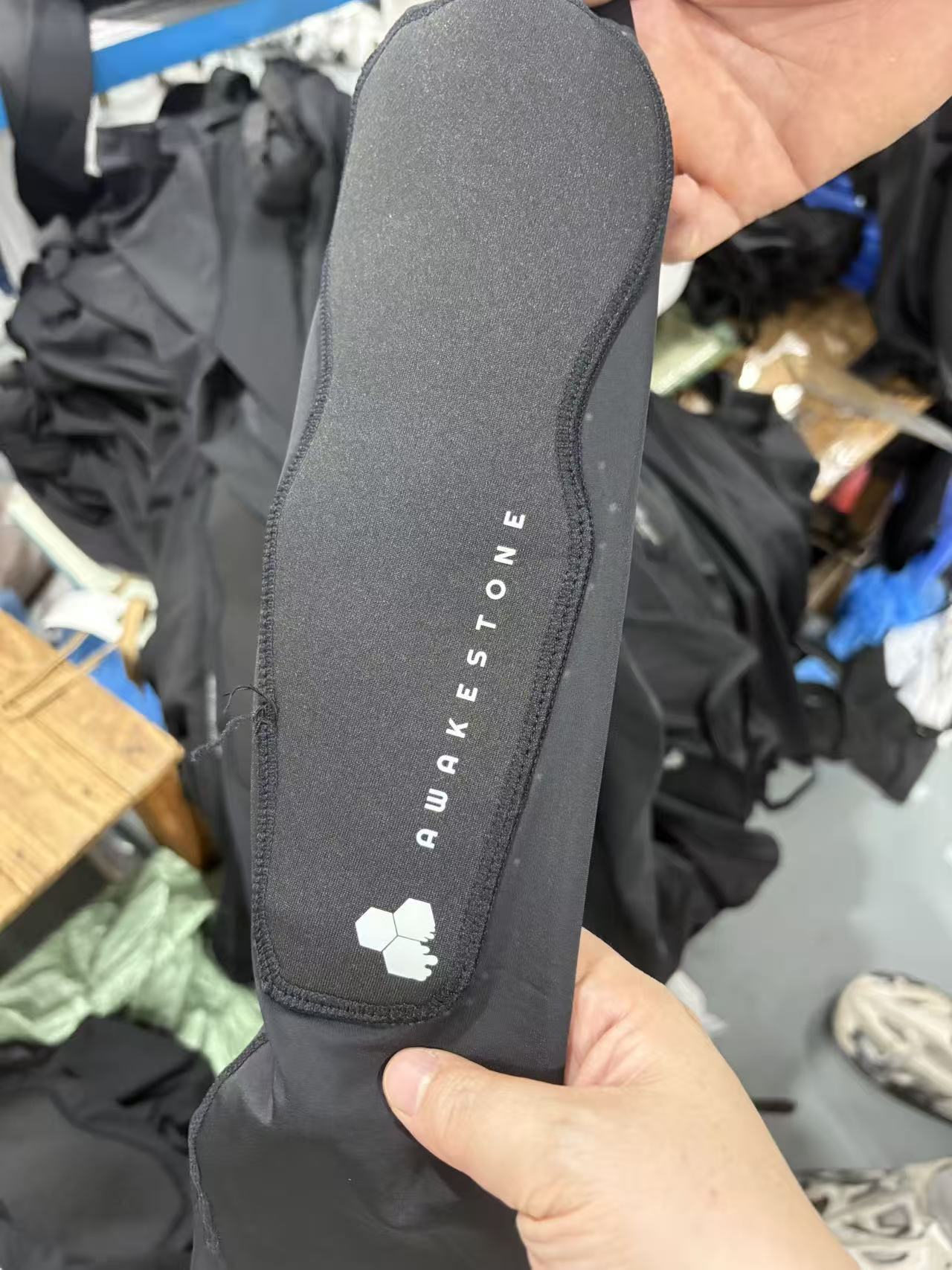
Sourcing ski protection from Chinese OEM factories offers importers significant cost advantages and deep manufacturing expertise — China produces more than 70% of the world's ski and snowboard protection equipment. But working across language, certification, and quality-control barriers introduces real risks. Importers who fail to plan for these obstacles end up with delayed shipments, certification failures, IP disputes, and quality problems that damage their brand reputation. The five mistakes covered in this article are the most common errors brands make when first sourcing ski protection from China, plus practical strategies to avoid each one. PEONYHK works with importers in over 30 countries to navigate these issues, and applies these lessons to every project we manage.
Mistake 1: Skipping Factory Certification Audit
The single most expensive mistake importers make is treating all Chinese factories as interchangeable. Two factories quoting similar prices can have radically different certification track records, quality systems, and capacity. Before placing an order, request and verify three key documents: the factory's business license, ISO 9001 quality management certification, and recent EN 1621-1 or comparable test reports on the exact products you'll be buying. Ask for client references — and call them. Reputable factories will gladly share past work and connect you with current importers. PEONYHK provides audit-ready documentation including full facility photos, raw-material traceability records, and third-party test reports from TUV, SGS, or Intertek. Verification takes a few days and can prevent months of post-shipment disputes.
Mistake 2: Ignoring MOQ Flexibility
Many factories advertise MOQ of 1,000 or 2,000 pieces, which is overwhelming for small brands testing new markets. The reality: MOQ is often negotiable, especially for OEM with custom logos, colors, or materials. Smaller initial orders — sometimes as low as 100 pieces — are possible with experienced factories, though unit prices rise to cover setup costs. The strategy: start with a small pilot order (100–300 pieces) of an existing factory SKU to validate sales before committing to full customization. PEONYHK supports small MOQs from 100 pieces for stock designs and 500 pieces for fully-customized orders. This low-MOQ model lets importers test markets, gather customer feedback, and reduce risk before scaling.
Mistake 3: Underestimating Lead Times
Quoted lead times from Chinese factories usually refer to production time only, not the full order-to-delivery cycle. Real cycle times typically run 30–60 days because of: sample approval (5–10 days), bulk production (15–25 days), quality inspection (2–3 days), sea freight (15–30 days depending on origin/destination), customs clearance, and last-mile delivery. Misjudging this timeline leads to stock-outs during peak ski season and lost sales. PEONYHK provides a clear timeline breakdown with each quote, including sample lead time (5–7 days), bulk lead time (15–25 days), and shipping options (express air 7–10 days, sea 25–35 days). Plan orders at least 90 days before peak retail season to avoid stockouts.
Mistake 4: Skipping Material and Foam Testing
Cheap quotes often hide low-quality foam, fabric, and stitching. The savings come at a real cost: pads that stiffen in cold weather, fabrics that tear after a few weeks of use, and stitching that splits at seams. Always require pre-shipment inspection including the following tests: foam density check, low-temperature flex test (foam should not crack at -20°C), tensile strength of outer fabric (minimum 600N warp/weft), seam slippage resistance, and color fastness to washing and UV. Reputable factories maintain a complete incoming-materials QC system and pre-shipment AQL 2.5 inspection for each lot. PEONYHK includes all these tests as standard procedure and provides signed QC reports for every batch shipped to international customers.
Mistake 5: Treating Communication as an Afterthought
The fifth mistake is treating language, time-zone, and cultural differences as secondary to the product. In reality, communication failures cause more disputes and project delays than product defects. Three strategies dramatically reduce this risk: assign a dedicated account manager who speaks fluent English (not just a translator); use video calls for critical decisions (color approval, sample signoff, defect discussions) rather than email chains; and document every spec, change, and approval in a written project sheet signed by both parties. PEONYHK provides a single point of contact per project, weekly progress photos, and a detailed project-management sheet that captures every requirement before production begins.
Frequently Asked Questions
What is the typical MOQ for custom ski protection?
Custom OEM with logo and stock colors: 100 pieces. Full-custom color, material, and design: 500 pieces. Both MOQs include sample approval. PEONYHK supports small MOQs to help importers manage inventory risk.
How do I verify a factory really owns its certifications?
Request the test report PDF and call the testing lab (TUV, SGS, Intertek, or Bureau Veritas) to confirm the report authenticity. Reputable factories have nothing to hide. Avoid suppliers who only share photos of certificates without PDF test reports.
What payment terms are typical for Chinese OEM factories?
Standard terms are 30% deposit on order confirmation and 70% balance against B/L copy or before shipment. Long-term relationships can negotiate 20/80, LC at sight, or OA terms after 2–3 successful orders.
How long does shipping take from China to Europe?
Express air freight: 7–10 days door-to-door. Standard sea freight: 25–35 days port-to-port. Sea + customs + inland can total 35–50 days depending on the destination country. PEONYHK can quote DDP (delivered duty paid) prices to simplify import.
Can I protect my design from being copied by the factory?
Yes. Use an NDA before sharing any proprietary designs, register your IP in China via trademark and design patent, and work with factories that have an established IP protection policy. PEONYHK signs NDAs as standard practice and maintains a confidential design registry for OEM customers.
PEONYHK has 12 years of experience helping brands source certified ski protection from our Dongguan factory. Free factory audit, sample lead time 5–7 days, and full OEM/ODM support available — request a quote at vivi@hkpeony.com to start your project.