Best time to go skiing in 2026/27 (month-by-month breakdown)
The European ski season runs from late November to late April, with snow conditions, crowds and resort atmosphere varying greatly each month. Travel timing impacts your ski holiday experience as much as destination choice. This guide breaks down the ski season month by month, covering snow reliability, slope crowd levels and ideal travellers for each period.
1. November: Early Season
Only a few ski resorts open in November, mostly high-altitude sites above 2,000 metres or glacier-equipped destinations. Val Thorens, Obergurgl and Zermatt are among the first to open, though only upper slopes are accessible with limited skiable terrain. November suits experienced skiers adaptable to changeable early-season snow. Unpredictable natural snowfall makes artificial snow making far more critical at this time of year.
Why Choose This Period
- Glacier and high-altitude resorts generally open from mid-November.
- Slopes stay quiet with no school breaks and few international visitors.
- A low-demand window for seasoned skiers wanting early-season runs.
Snow Reliability:Variable, relying on early snowfall and artificial snowmaking
Crowd Levels:Very low
Open Terrain:Limited, mainly upper slopes and glacier zones
Best For:Experienced skiers and early-season enthusiasts
Key Open Resorts:Val Thorens, Obergurgl, Zermatt, Hintertux, Tignes
2. December: Progressive Season Build-up
December has two distinct phases. Its first two to three weeks are among the quietest of the season, with fully operational resorts, uncrowded slopes and easily booked accommodation. Snow cover builds steadily, and most major resorts offer complete ski terrain by mid-December. Conditions shift sharply around December 20, when school holidays begin. Christmas and New Year are the season’s busiest, most expensive period, requiring early bookings.
Early December is perfect for couples and flexible travellers seeking a quiet ski experience without November’s erratic conditions, though some low-altitude runs may remain closed.
Why Choose This Period
- Early December features open resorts and extremely low crowd levels.
- Snow cover improves greatly through the month, especially above 1,800 metres.
- Late December sees peak pricing and limited availability; advance planning is essential.
Snow Reliability:Improving steadily; upper slopes good, low-altitude snow thin in early December
Crowd Levels:Very low (early December) to extremely high (Christmas & New Year)
Open Terrain:Most resorts fully operational by mid-December
Best For:Flexible travellers (early December); families and groups (festive season)
Key Open Resorts:Nearly all major European ski resorts
3. January: Peak Snow Quality with Low Crowds
January is widely considered the best ski month for flexible travellers. Festive crowds fade after the first week, European schools reopen, and resorts return to a calm rhythm. Snow conditions reach their most consistent, with a deep, stable snowpack, cold steady temperatures and frequent fresh Alpine snowfall. Reliable snow, short lift queues and low demand make January ideal for those free from school schedules.
January has shorter daylight hours, with lifts closing at 4:00–4:30 PM. High altitudes bring sharp cold, so layered clothing is recommended.
Why Choose This Period
- Unmatched stable snow and the deepest consolidated snowpack of the season.
- Slopes grow significantly quieter after the first week of January.
- Shorter days and cold temperatures are the only key drawbacks.
Snow Reliability:Excellent; most resorts have their deepest snowpack of the season
Crowd Levels:Low to moderate (busier in the first week)
Open Terrain:Full access to nearly all runs and lifts
Best For:Couples, flexible workers, retirees and dedicated skiers
Typical Conditions:Cold, stable snow, limited daylight
4. February: Peak Ski Season
February is Europe’s busiest ski month, driven by UK and Northern European school half-term holidays. Snow quality remains excellent, matching January’s standards, but slopes, lifts and resort facilities grow far more crowded. Accommodation becomes scarce, with peak demand during UK half-term. Staggered French school holidays extend busy periods across the French Alps into early March.
February is unavoidable for most families with school-age children, so early booking is strongly advised.
Why Choose This Period
- Consistently excellent snow with a deep, reliable snowpack.
- The season’s busiest period, with full slopes and high visitor demand.
- Early reservations are critical for half-term travel.
Snow Reliability:Excellent, on par with January
Crowd Levels:High to very high, especially during school half-terms
Open Terrain:Fully operational with all lifts and runs open
Best For:Families with school-age children and well-planned travellers
Key Consideration:Staggered European school holidays extend peak crowds
5. March: The Ultimate Ski Sweet Spot
March is favoured by local and veteran skiers. Long-term snow accumulation creates an ultra-deep snowpack, while longer days and warm mid-morning sunshine elevate the experience. High-altitude slopes retain firm, cold snow, while lower runs soften in the afternoon, blending crisp morning skiing and gentle spring snow. Post-February crowds leave slopes quiet and resorts relaxed.
March snow varies more by time and aspect. North-facing slopes hold quality best, while south-facing terrain below 1,800 metres turns slushy by early afternoon. Experienced skiers follow the sun east to west throughout the day for optimal conditions.
Why Choose This Period
- Deep snowpack, longer days and warm sunshine deliver premium skiing conditions.
- Quieter slopes and a more relaxed vibe than peak February.
- Snow quality varies daily; north-facing slopes offer the most consistent conditions.
Snow Reliability:Very good at altitude; variable on low south-facing slopes
Crowd Levels:Low to moderate
Open Terrain:Full access through mid-March; some low runs close in late March
Best For:Experienced skiers, couples, flexible travellers and spring ski lovers
Typical Conditions:Warm sunshine, deep snow, soft afternoon snow
6. April: Spring Skiing Season
April is the final stage of the European ski season, with quality dependent largely on altitude. High-altitude resorts including Val Thorens, Ischgl and Zermatt stay open through most of April, with skiing limited to cool upper slopes. Most low-altitude resorts close by mid-April, and Alpine skiable terrain shrinks weekly.
April offers unique spring skiing: firm, fast morning snow softens into smooth corn snow by midday. Resorts have a laid-back, festive atmosphere with popular outdoor terraces. Easter may bring a short crowd peak, depending on its annual date.
Why Choose This Period
- High-altitude resorts maintain reliable upper-slope snow all month.
- Longer, warmer days and a casual atmosphere unlike mid-winter.
- Terrain reduces steadily; choose resorts above 2,000 metres for best access.
Snow Reliability:Good at altitude; low slopes close progressively
Crowd Levels:Low (except Easter week)
Open Terrain:Reduced; mostly upper slopes, with some full closures
Best For:Spring skiing enthusiasts, flexible travellers and end-of-season visitors
Key Open Resorts:Val Thorens, Zermatt, Ischgl, Verbier, Cervinia
Frequently Asked Questions
When is the cheapest time to go skiing?
Early December and January (excluding the first week) are the season’s lowest-demand, most affordable periods, with quiet slopes and accessible accommodation. Late March also offers good value as resorts scale back seasonal operations.
What month has the best snow for skiing?
January and February deliver the Alps’ most consistent snow with deep, stable snow pack and regular fresh falls. March has the season’s deepest accumulated snow but more variable daytime conditions. High-altitude resorts retain quality snow well into April.
Is it worth skiing in November?
It suits experienced skiers chasing early-season runs at high-altitude or glacier resorts, though terrain is very limited. It is not ideal for beginners or travellers wanting a full resort experience, for which December onwards is better.
When is the quietest time to ski in Europe?
The quietest periods are early December (pre-school breaks), second-week January onwards, and mid-to-late March after February’s peak crowds.
Can you still ski in April?
Yes, though resort choices narrow. Top high-altitude resorts remain open with spring snow: firm mornings and soft afternoons. Most low-altitude resorts close by mid-April, with skiing restricted to upper slopes.
How far in advance should I book a ski holiday?
Book several months early for peak periods including Christmas, New Year, half-terms and Easter for the best options. January and March offer more flexibility, though popular resorts still fill up quickly. Early booking always maximizes your choices.
What ski equipment do you need?
A ski holiday gear list often looks more overwhelming than it is. All core technical ski gear โ€” skis, boots, poles and helmets โ€” can be rented on-site, leaving you to pack only essential clothing and small accessories. Beginners only need to focus on gear that boosts on-slope comfort and safety. This guide covers all must-have ski equipment and layering rules. Use our <strong>ski equipment buying guide</strong> to decide whether to rent or buy, browse<strong>best beginner</strong> for product picks, or explore<strong>beginner</strong> to plan your trip.
1. Resort Rental Ski Equipment
Four items form your essential ski setup: boots, skis, poles and helmets. Renting all four is ideal for first-timers and casual skiers. Rental shops custom-fit gear to your size, weight and ability, with free in-trip swaps for any ill-fitted equipment.
Ski boots are the most critical gear, acting as the bridge between you and your skis. Their fit directly controls your stability, learning speed and comfort. Fitted boots should feel snug but pain-free: toes lightly touch the front when standing straight and shift back slightly in a skiing stance. Loose boots ruin turning control and slow your progress.
Rental skis and poles are professionally matched to your ability. Beginner skis feature short, soft flex for easy low-speed turns. Helmets are legally required for under-18s in Italy and parts of Austria, and included free in most European resort rental packages.
2. On-Slope Ski Clothing: The Layer System
Ski clothing relies on a simple three-layer system that adapts to all mountain weather. A moisture-wicking base layer, insulating mid layer and windproof, waterproof outer shell easily adjust for sunny spring days or winter blizzards.
The base layer wicks sweat away from your skin. Use merino wool or synthetic fabrics โ€” cotton is strictly avoided, as it traps moisture and leaves you cold. Stick to dedicated thermal tops and leggings.
The mid layer retains body heat, with fleece, light down and synthetic puffers all suitable. Skip it on warm days or use thicker styles in cold weather for flexible temperature adaptation.
Your ski jacket and trousers block wind, snow and moisture. Durable enough for years of use, quality ski wear features a minimum 10,000mm waterproof rating, taped seams and ski-specific details like powder skirts, wrist gaiters and helmet-compatible hoods.
3. Essential Ski Accessories Worth Packing
UV400 ski goggles are mandatory. High-altitude UV radiation is intense, and snow reflects 80% of sunlight, causing eye strain and sunburn even on cloudy days. Goggles block UV, wind and snow glare, with over-glass or prescription options available for glasses wearers.
Insulated, waterproof ski gloves or mittens keep hands warm and dry. Fashion and wool gloves soak quickly and perform poorly on snow. Mittens offer better warmth, while standard ski gloves provide more dexterity for handling gear.
Always wear one single pair of thin, moisture-wicking knee-high ski socks. Double layering or thick hiking socks cause pressure points, restrict circulation and make feet colder.
A neck gaiter blocks wind and cold. Keep SPF30+ sunscreen accessible for regular reapplication. A compact backpack is ideal for storing spare layers, water and sun protection on the mountain.
4. Specialized Gear You Don’t Need for a First Ski Trip
New skiers often overpack unnecessary advanced gear. Back protectors, avalanche transceivers and specialized insulated base layers are built for expert backcountry skiing, and entirely useless for beginners. New skiers only ride gentle, groomed pistes with minimal fall risks and no avalanche hazards.
Avoid purchasing skis and boots as a beginner. Your skills improve rapidly, and entry-level gear will quickly feel unsuitable once you progress to blue runs. Renting lets you test different equipment freely. Only buy personal gear after 3โ€“4 trips, once you know your preferences.
5. Full On-Slope Gear Routine
A standard ski morning routine is straightforward. Dress in base layers, ski socks, a mid layer and waterproof outerwear, then wear a neck gaiter. At the locker, put on fitted boots, collect your skis and poles, then finish with a helmet, goggles and gloves. Always apply sunscreen before heading out.
The routine feels awkward on your first day but becomes effortless by day three. Properly fitted ski gear fades into the background, letting you fully focus on skiing.
Key Takeaways
Rent all core equipment (boots, skis, poles, helmets) for a custom, skill-matched fit.
Well-fitted ski boots are critical: a snug fit improves control, while loose boots hinder learning.
Follow the three-layer system: moisture-wicking base layer, insulating mid layer, waterproof outer shell; no cotton next to skin.
Use essential accessories: UV400 goggles, waterproof gloves and one pair of thin technical ski socks.
Skip advanced specialist gear on your first trip; rent and learn before investing in personal equipment.
Frequently Asked Questions
Do I need to bring my own ski boots?
Renting boots is best for new skiers. Resorts stock full sizes and flex ratings with instant on-site adjustments. Only buy personal boots if you ski regularly and have confirmed your ideal fit and performance needs.
Can I wear normal sunglasses instead of ski goggles?
Sunglasses work for downtime on calm, sunny days, but goggles are essential for active skiing. They fully seal against wind and snow, stay secure during falls and avoid fogging or slipping in harsh weather.
How much does ski equipment rental cost?
Rental prices vary by resort and gear grade. Most shops offer tiered packages, with affordable beginner bundles including boots, skis, poles and helmets. Our ski equipment selection guide helps you pick the right package.
What should I wear under my ski jacket?
Pair a merino or synthetic thermal base layer with a fleece or light puffer mid layer for all-round protection. Remove the mid layer in warm weather or upgrade to thicker insulation in cold conditions. Never use cotton base layers.
Is it worth buying a ski jacket before my first trip?
If budget allows, a ski jacket is a worthy first-timer purchase. Unlike skis and boots, it suits all skill levels and works for general winter use. Choose styles with 10,000mm waterproofing, taped seams and a helmet-compatible hood. Rental options are also available if buying is not feasible.
Best safety gear for skiing 2026/27
You don’t need full body armor to ski safely, yet picking suitable protective gear greatly boosts your confidence and comfort on ski slopes. This guide sorts out must-have and scenario-specific ski safety equipment. If you want to learn slope safety regulations, our piste rules guide breaks down the official FIS code in plain language. For practical skiing preparation tips, our slope safety guide covers warm-up routines and terrain reading skills in full detail.
1. Ski Helmet
A helmet is the most vital piece of ski safety equipment. Head trauma accounts for most severe skiing injuries, and a properly fitted helmet drastically lessens injury severity. Italy enforces mandatory helmets for all skiers under 18; regardless of local laws or age, wearing one is always wise.
Modern ski helmets are lightweight, breathable, and compatible with ski goggles and audio devices. They also retain heat far better than regular hats on cold, windy days. Helmets can be rented at most ski resorts, but frequent skiers benefit from owning a custom-fitted one. Prioritise models with adjustable sizing dials, detachable ear pads and EU EN 1077 safety certification. Helmets built with MIPS liners are highly recommended: this low-friction layer minimises rotational brain damage during falls and has become mainstream on premium designs.
Key Benefits
Cuts risks of life-altering head injuries, the leading serious skiing harm
Maintains steady warmth and comfort in all weather conditions
Legally required for minors in Italy and multiple Austrian regions
PeonyHK Pro Tip: Pro Tip: Try on your helmet paired with goggles before heading uphill. Keep the gap between the helmet brim and goggle frame tiny; excessive forehead space leads to cold drafts, lens fogging and weakened protection.
2. Ski Goggles
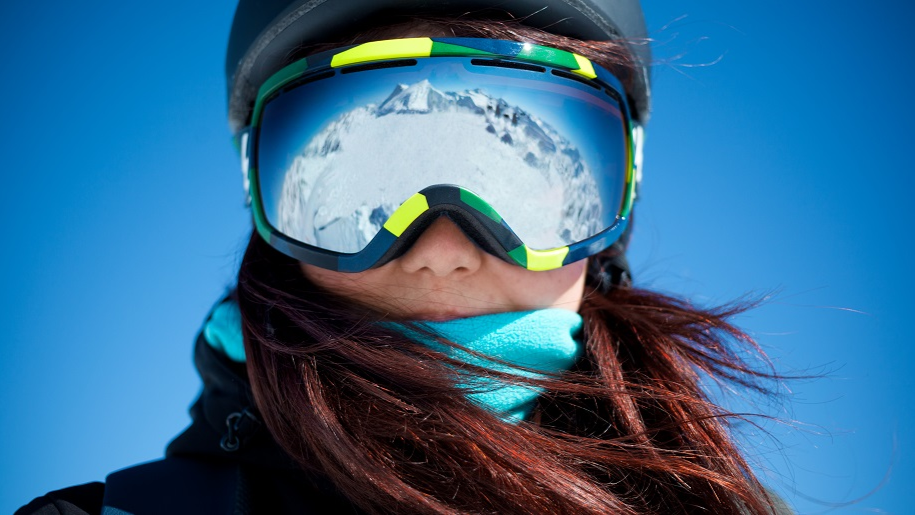
Goggles serve far more than keeping snow out of your eyes. They block intense high-altitude UV rays, sharpen vision during snowfall or dull flat light, and shield facial skin from bitter wind chill. Sunglasses only work on calm, bright sunny days — goggles are indispensable once weather conditions shift.
Lens tint matters more than brand performance: dark mirrored lenses suit bright sunshine; orange, rose or yellow lenses boost contrast on cloudy days. For one-pair packing, versatile all-condition/photochromic tint lenses work best across varied weather, though photochromic lenses adjust slower in frigid temperatures.
Key Benefits
Blocks amplified UV radiation:snow reflects up to 80% of sunlight UV rays
Eliminates blurred vision in flat light to help you judge terrain accurately
Shields against wind and snow so you can ski longer comfortably
PeonyHK Pro Tip: Pro Tip: Never wipe the inner lens surface, as this scratches the anti-fog coating and worsens fogging over time. If goggles fog up, simply take them off to air dry.
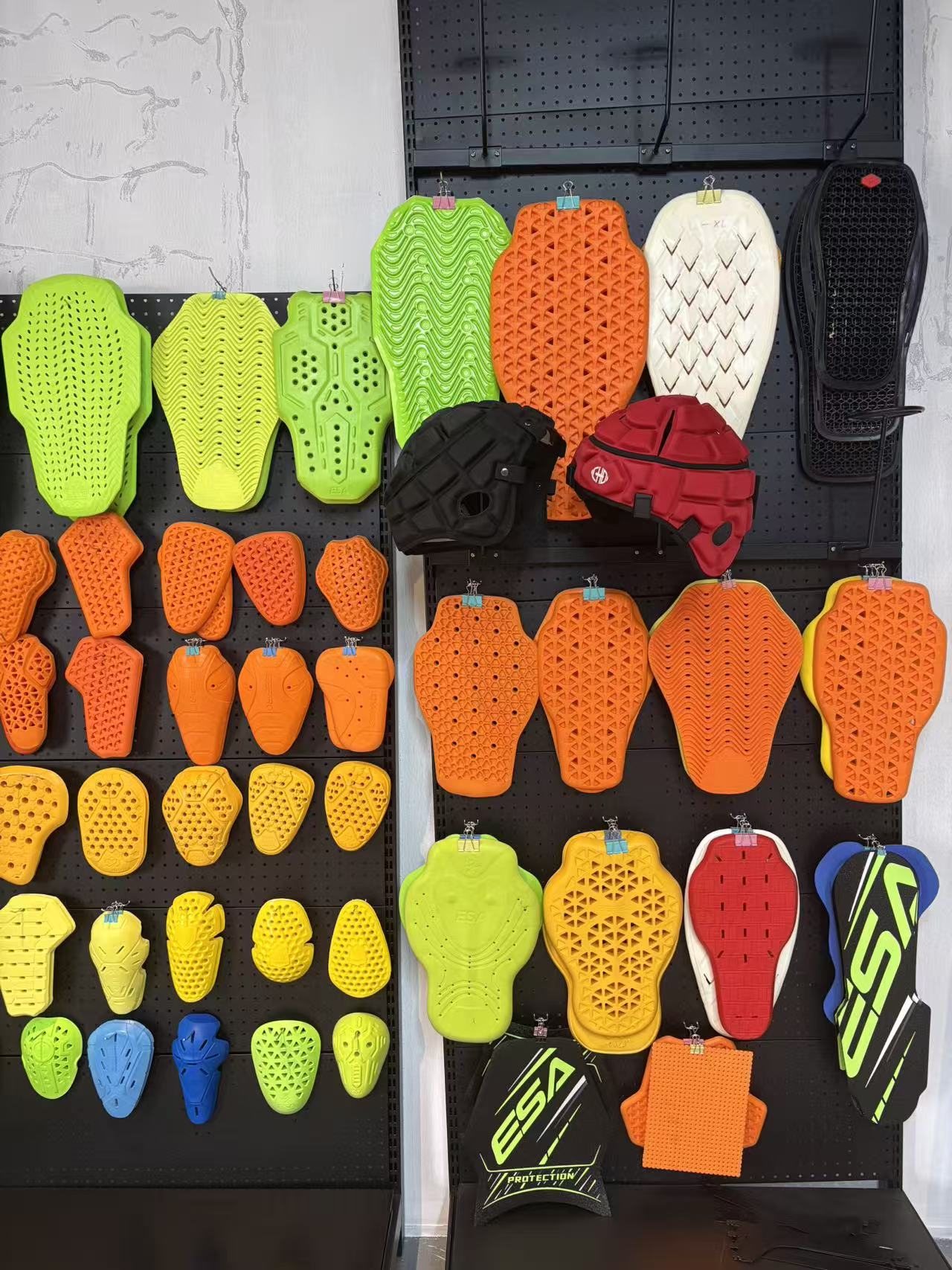
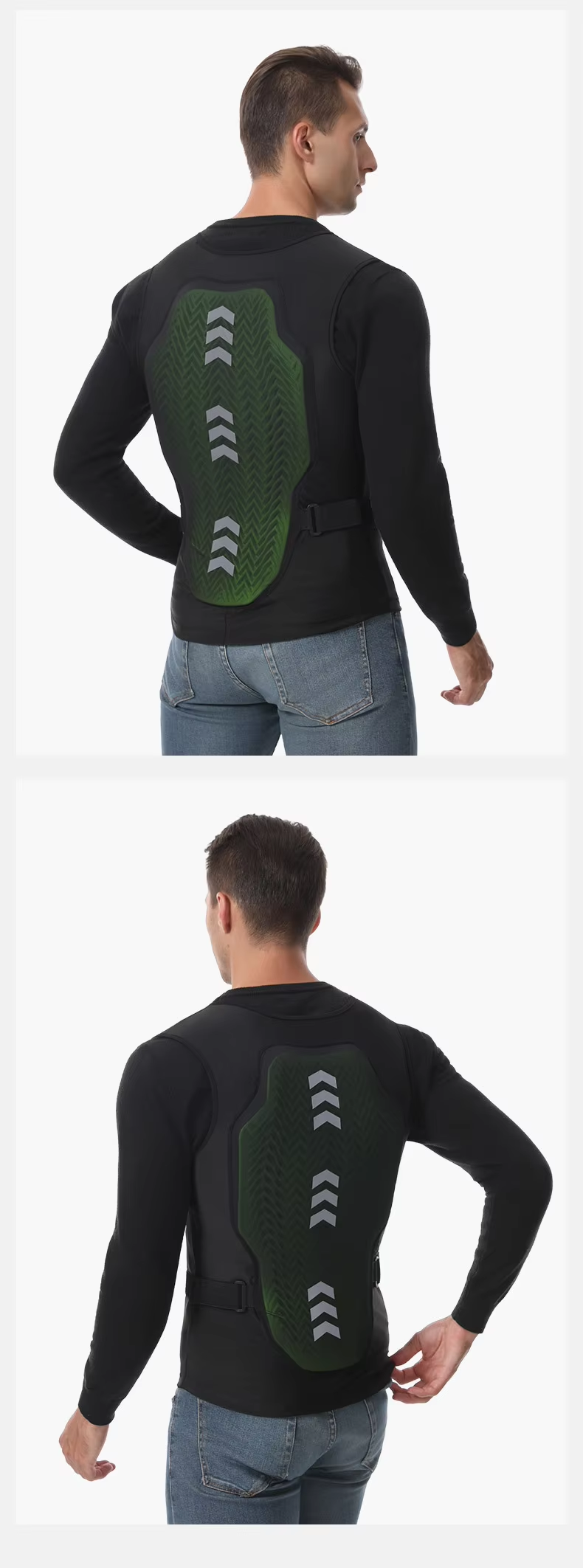
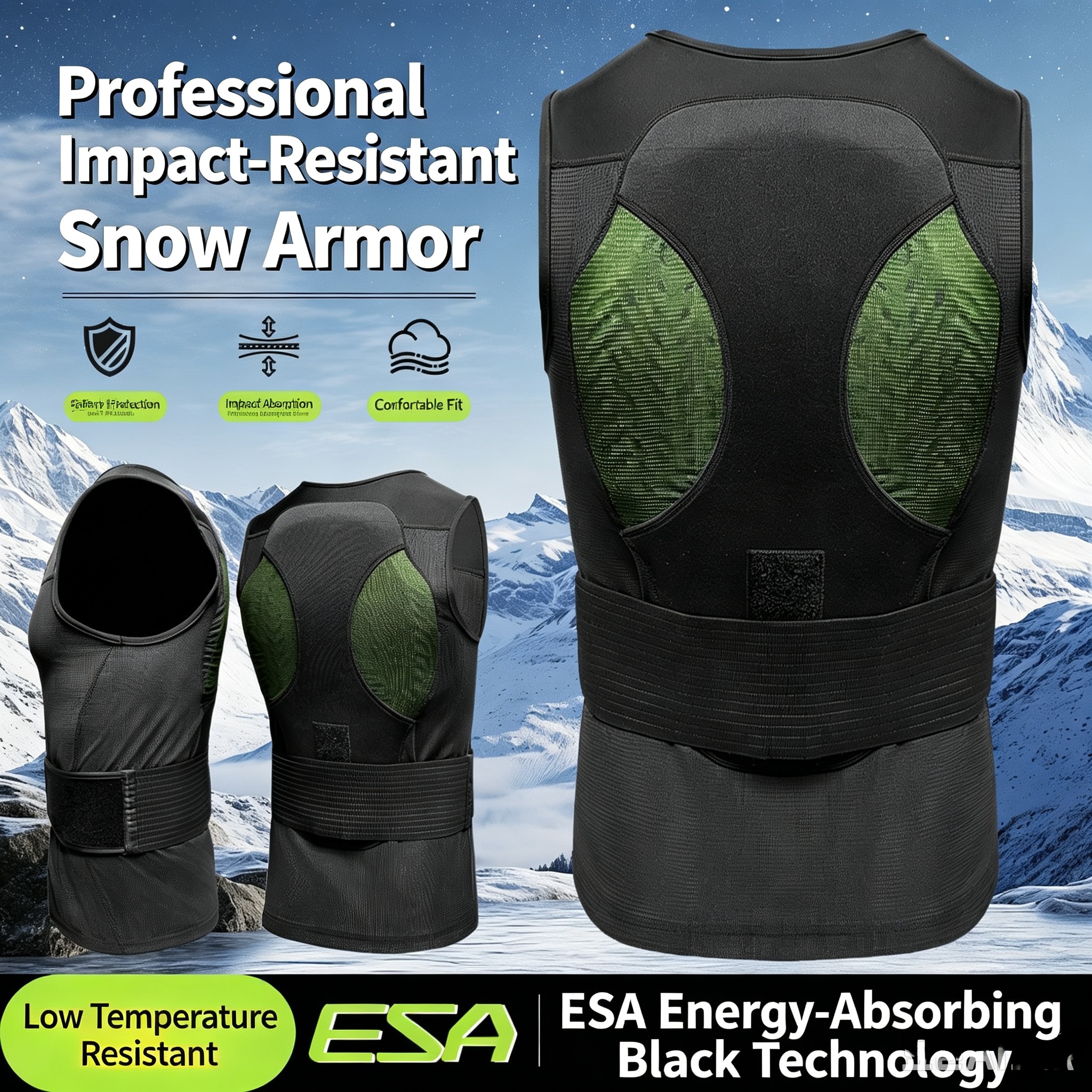
3. Back Protector
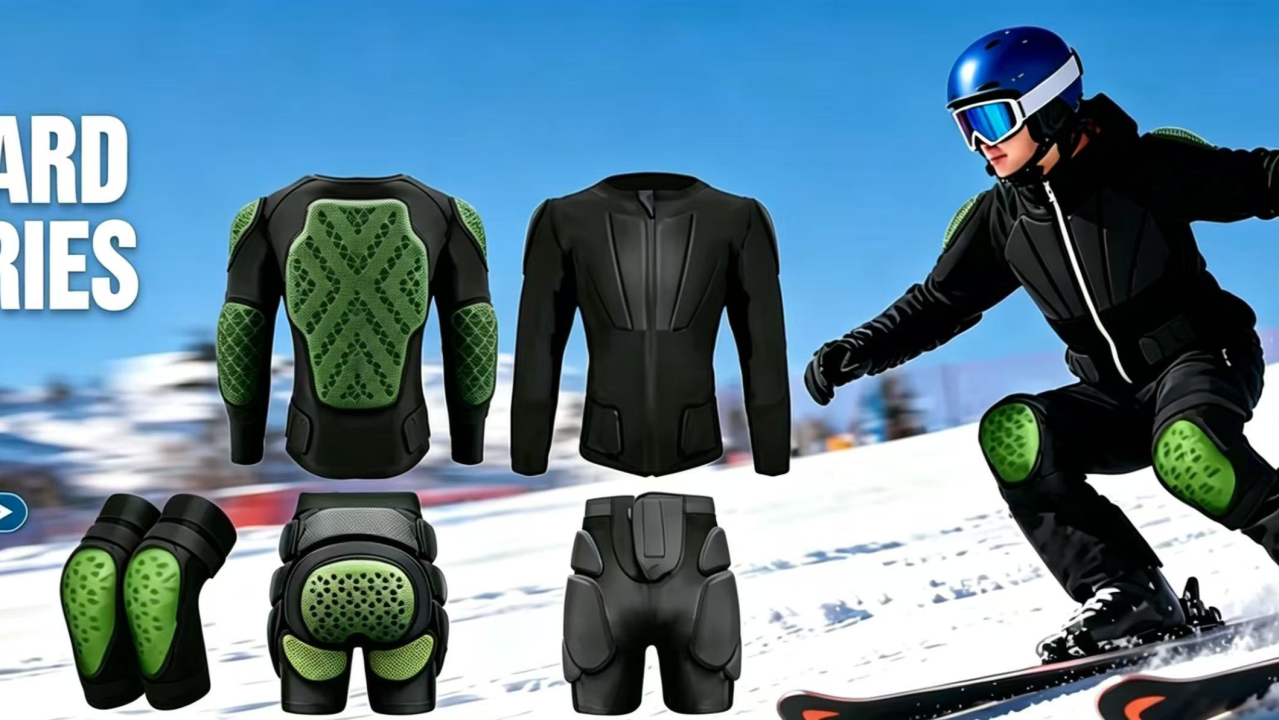
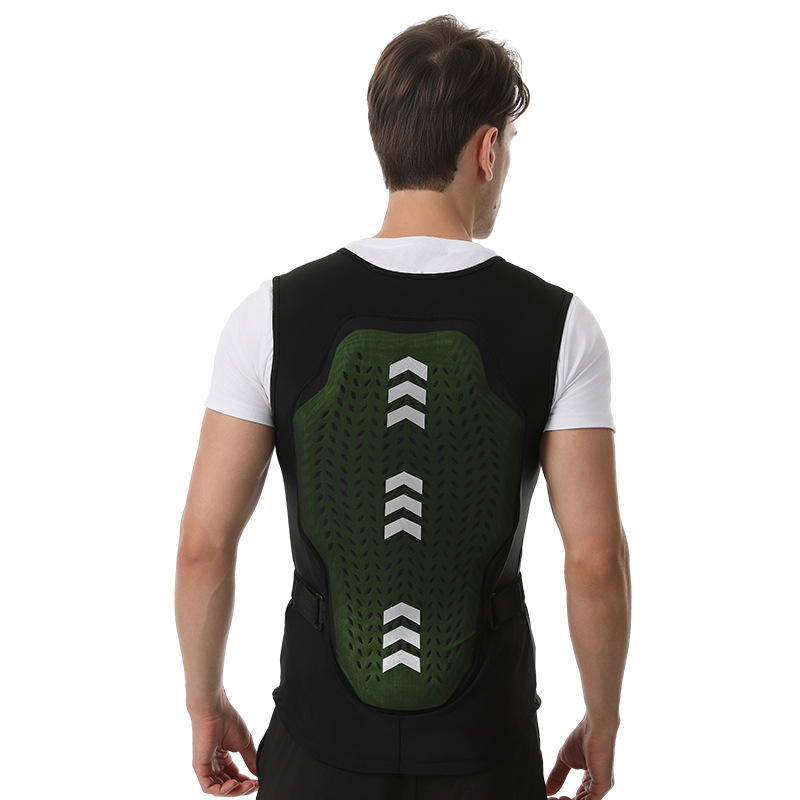
Back protectors seem unnecessary until you suffer a hard fall. They disperse impact force across your spine, lowering risks of vertebral injuries caused by crashes, collisions or impacts with icy, compacted snow. Intermediate and advanced skiers travelling at higher speeds on varied terrain should definitely wear one.
Two mainstream styles are available:
Soft foam protectors: Built with shock-activated foam (D3O material etc.), thin, flexible and unnoticeable underneath ski jackets — ideal for casual recreational skiers with CE safety certification.
Hard-shell protectors: Rigid plastic panels deliver superior spinal protection but feel bulky.
Many ski jackets now feature built-in back padding for extra convenience.
Key Benefits
Prevents devastating spinal injuries, rare yet extremely serious in skiing accidents
Ultra-thin flexible modern designs cause no movement restriction
Widely required for kids and teens at European ski schools
PeonyHK Pro Tip: Pro Tip: The protector must lie snugly against your spine from the base of your neck down to your tailbone. If it slides upward when you lean into a skiing stance, the size is too short or needs adjustment.
4. Wrist Guards
Wrist fractures rank as the most common snowboarding injury and frequently affect beginner skiers too. People instinctively stretch out hands to break falls, putting massive pressure on wrist joints. Wrist guards immobilise wrists and spread impact force to drastically reduce fracture risks.
Snowboarders gain the most from this gear, while novice skiers will also feel more secure. Opt for gloves with integrated wrist support; standalone guards worn over gloves are cumbersome and hinder ski pole gripping.
Key Benefits
Greatly lowers wrist fracture risks for frequent fallers
Boosts confidence for new skiers still learning proper falling techniques
Integrated wrist-support gloves offer the most user-friendly experience
PeonyHK Pro Tip: Pro Tip: If you’re taking your first snowboard lessons, borrow wrist guards from the ski school beforehand — they will make your initial learning experience much less intimidating.
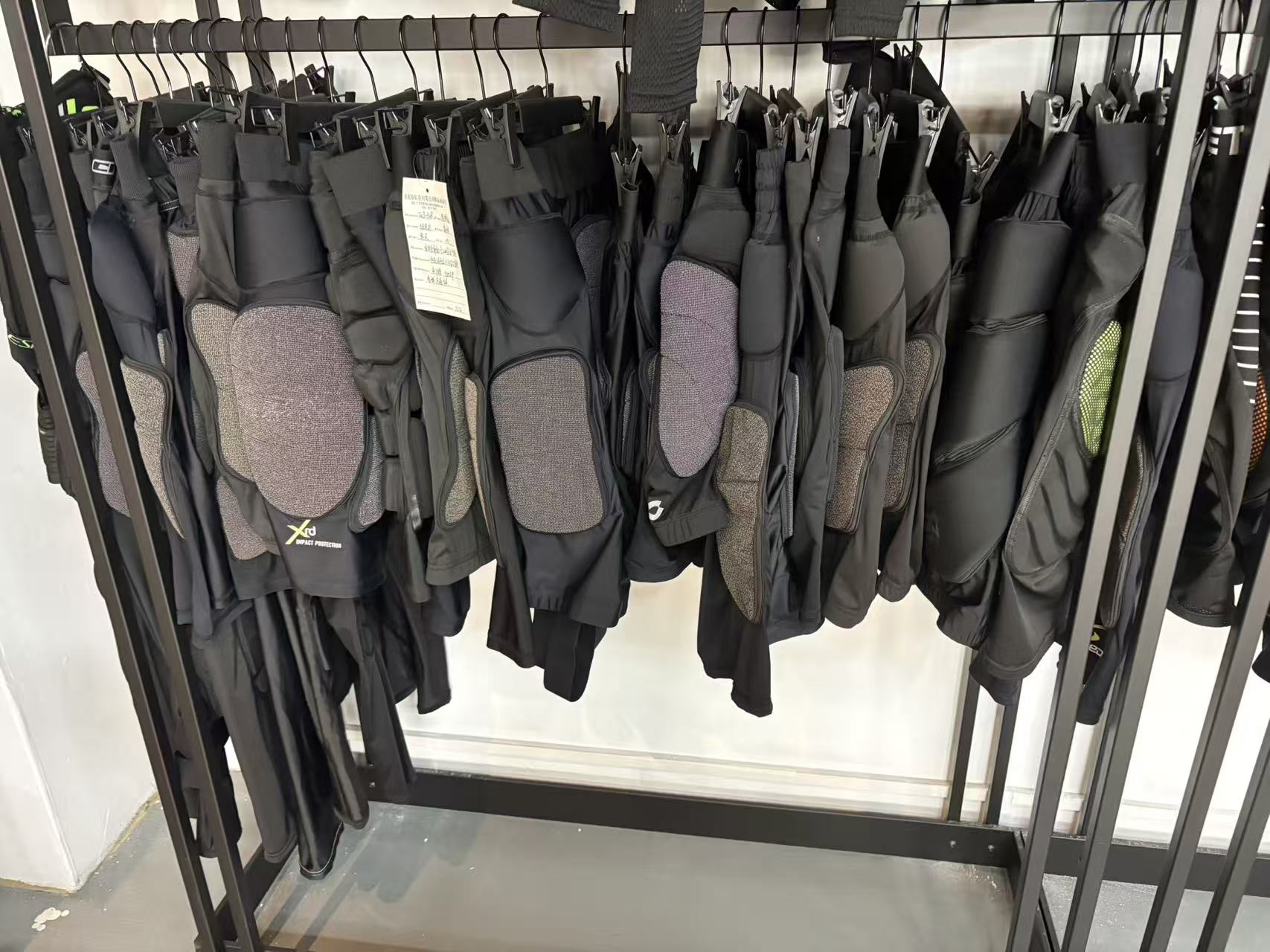
5. Impact Shorts
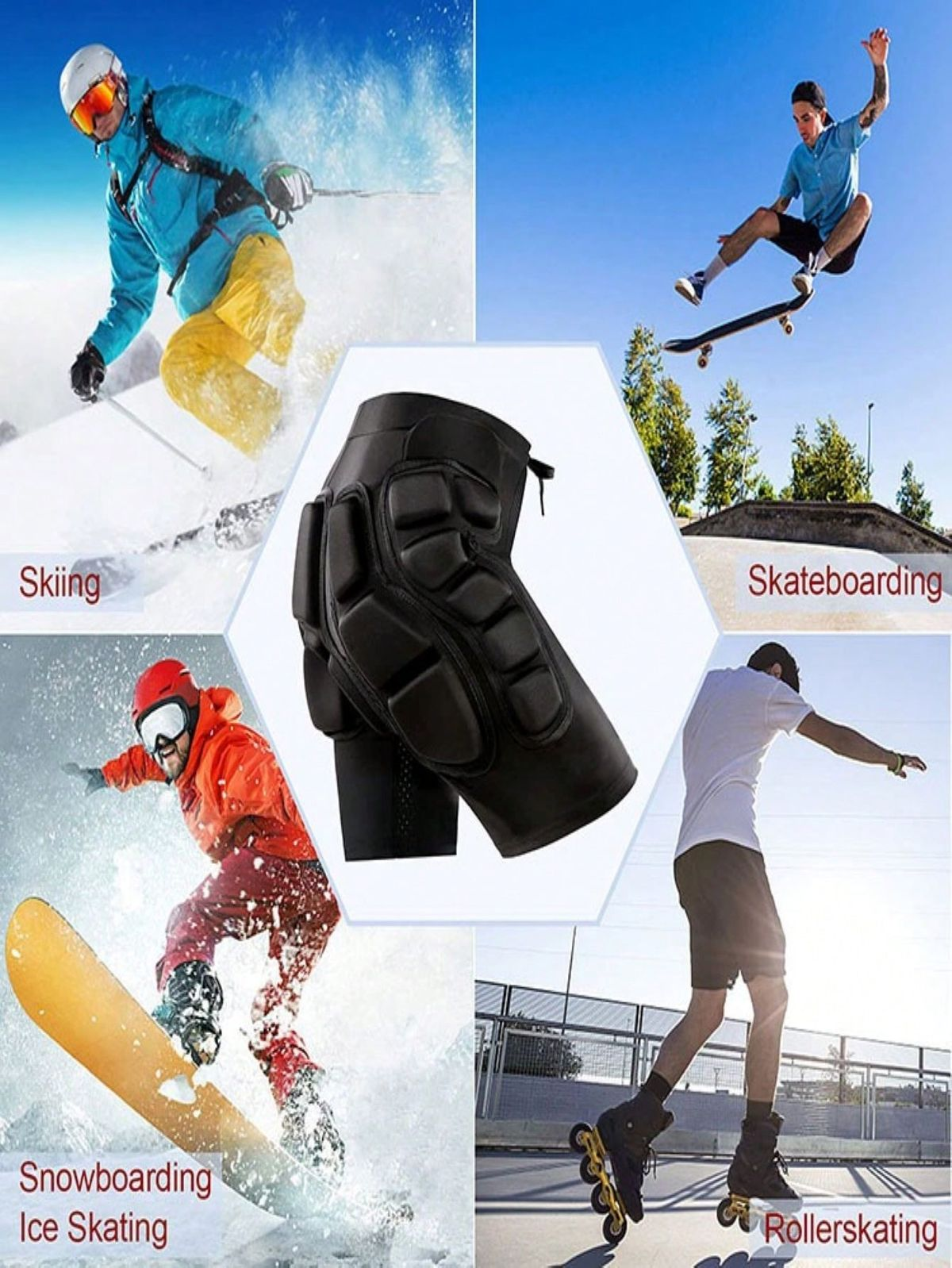
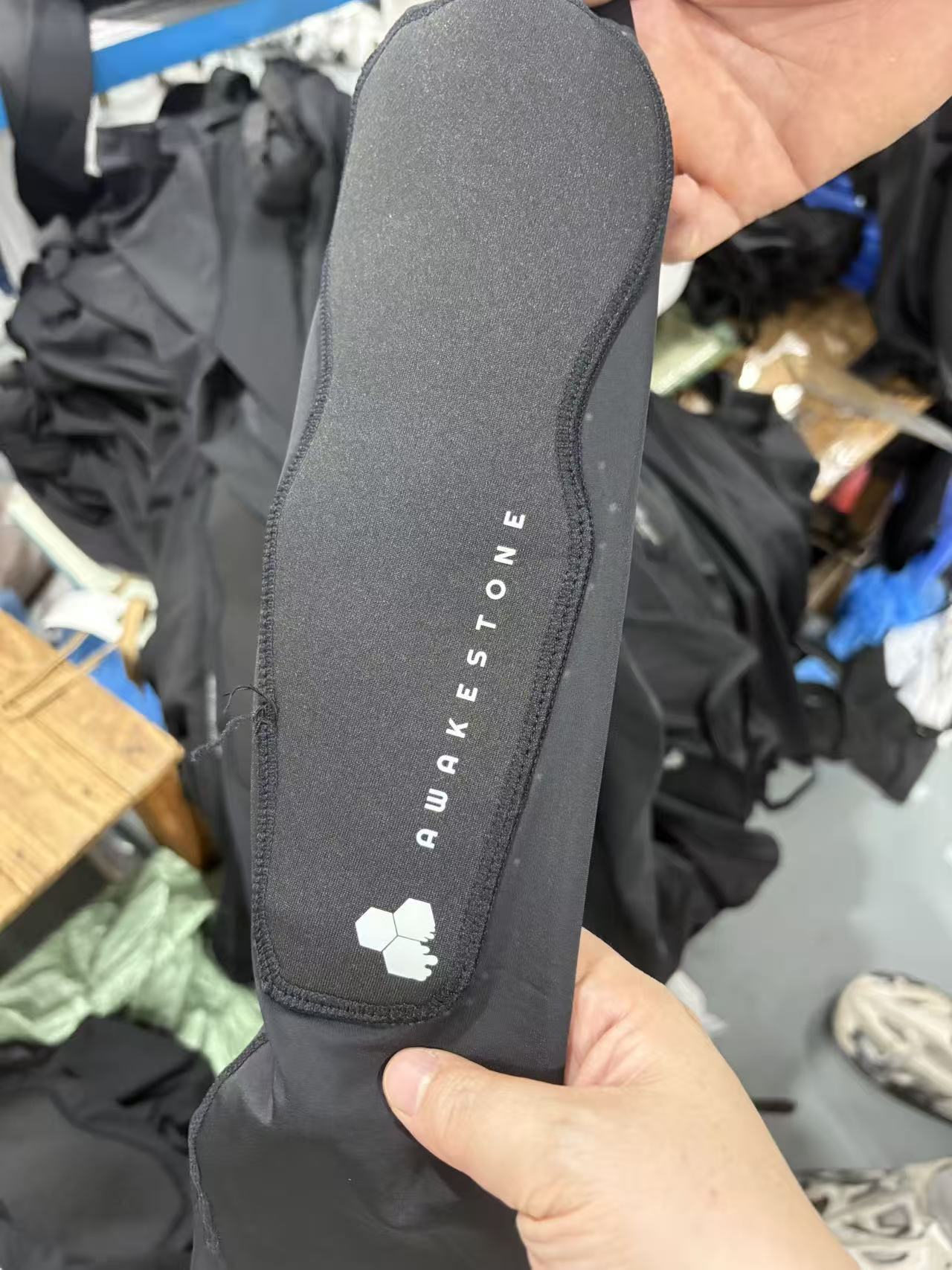
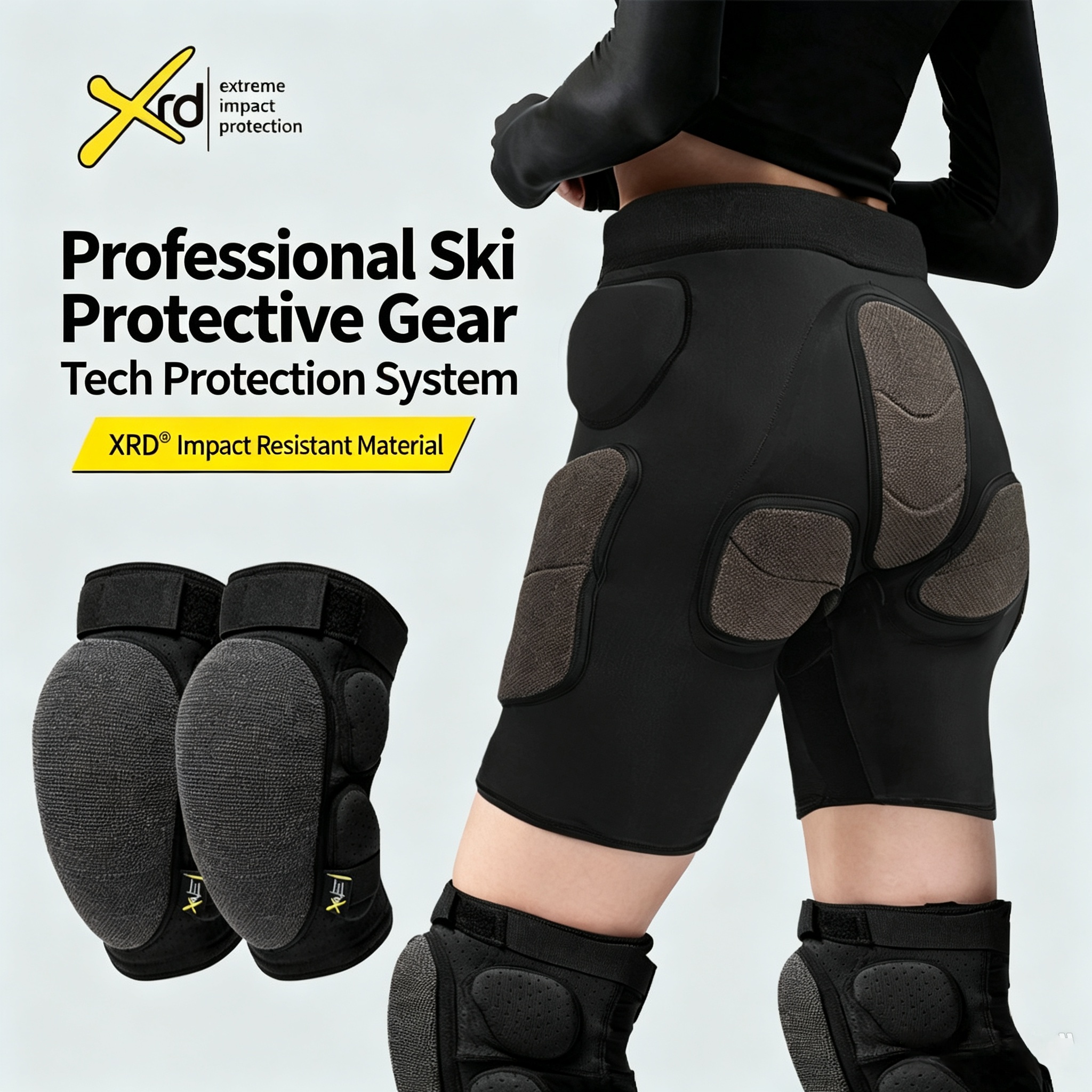
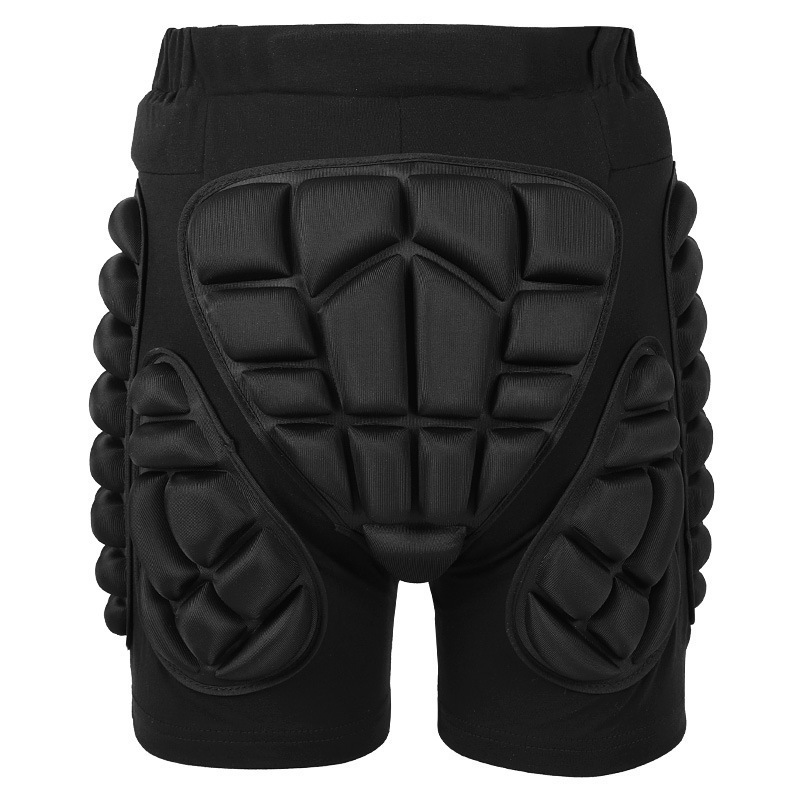
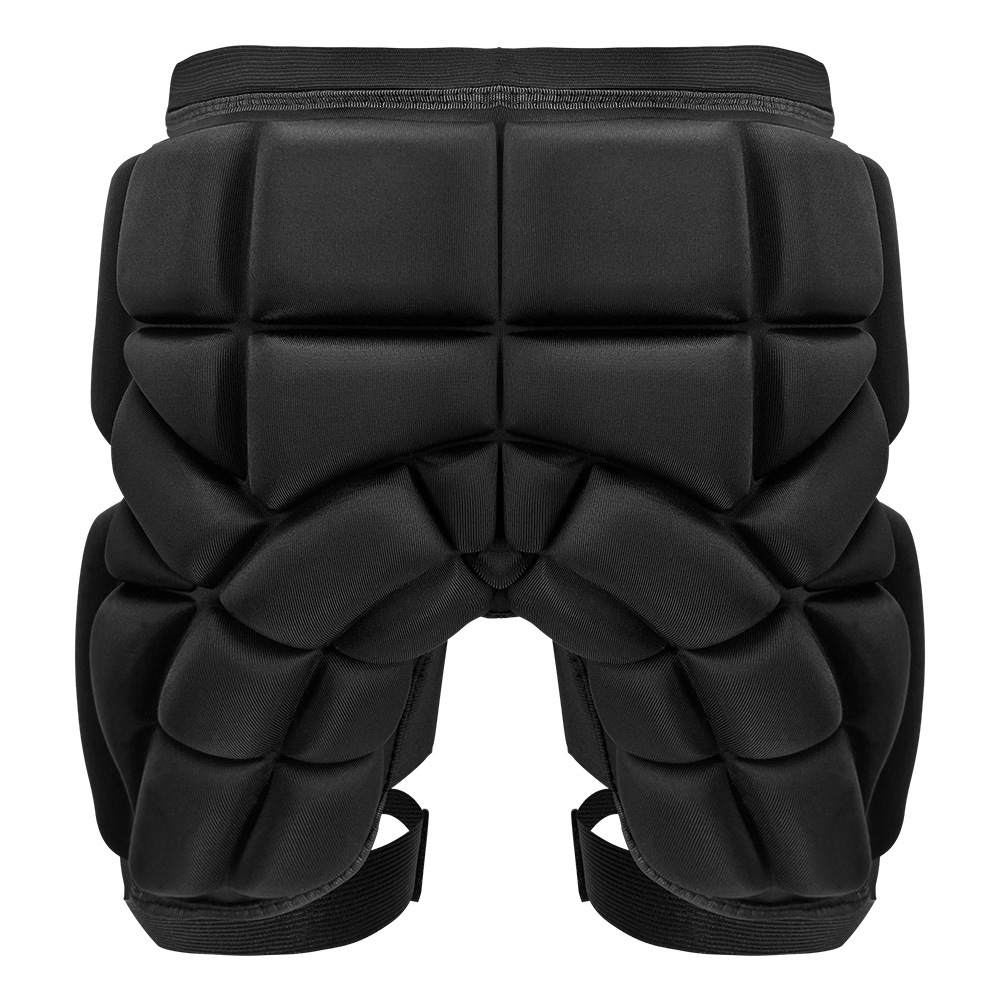
These padded compression shorts are worn under ski trousers to cushion your hips, tailbone and thighs against painful bruises from repeated falls. Even slow tumbles on icy slopes can leave you sore for days.
Snowboarders fall backward far more often, making these shorts a staple for beginners. Anyone skiing on firm snow or steep slopes will appreciate the cushioning. They are lightweight, all-day wearable and completely hidden beneath ski pants.
Key Benefits
Stops painful hip and tailbone bruising that cuts your skiing time short
Essential for snowboarders and those learning on hard packed snow
Slim fit with zero impact on leg movement
PeonyHK Pro Tip: Pro Tip: Impact shorts are rarely available for rental at ski resorts. Purchase your own before travelling if you plan to use them.
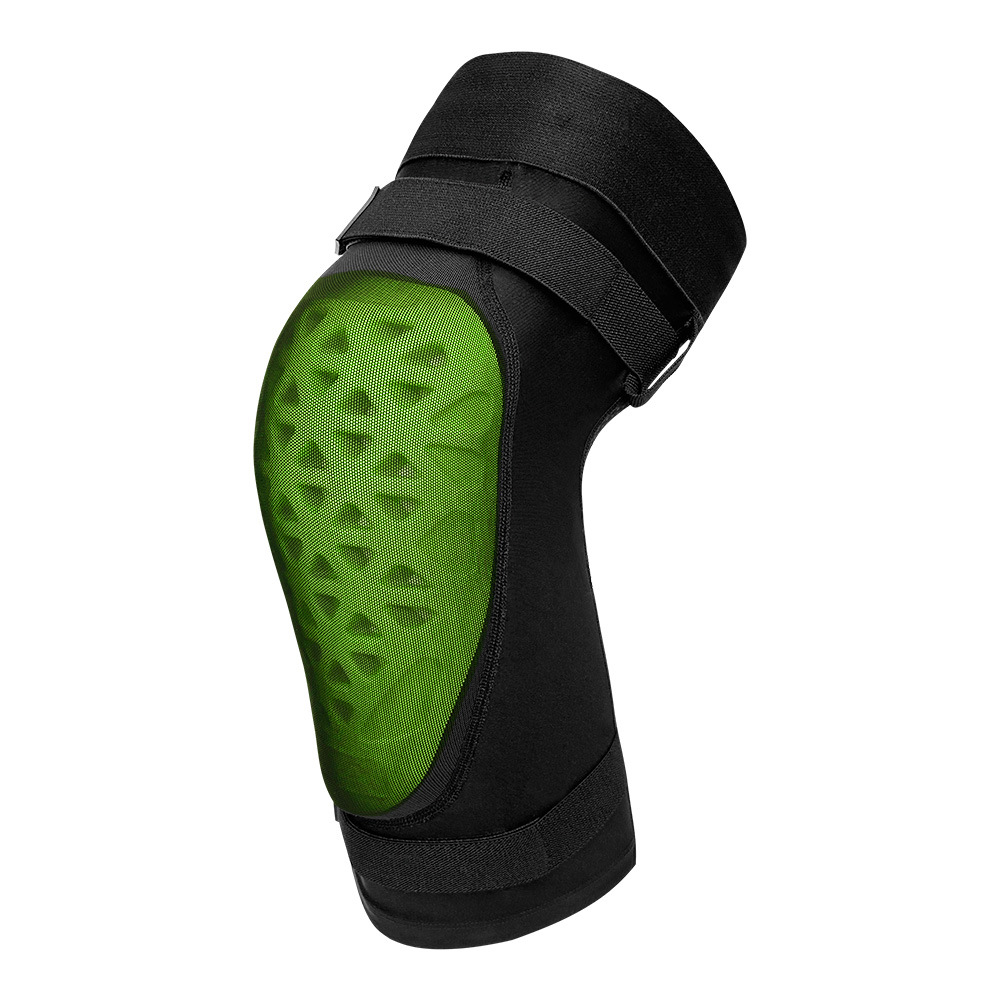
6. Knee Braces & Supports
ACL tears and other knee ligament injuries are the top severe injury in alpine skiing. Turning, braking and falling all exert heavy strain on knees, and rigid ski boots transfer this stress upward to joint tissues.
Knee braces cannot fully prevent injuries, but they stabilise knees and enhance muscle sensory feedback for quicker reactions under strain. They are most suitable for skiers recovering from past knee injuries, those with loose ligaments, or advanced skiers tackling demanding terrain at high speeds. Skiers with healthy knees may wear braces optionally, yet medical data proves they effectively reduce injury risks for vulnerable groups.
Key Benefits
Provides extra joint stability to avoid ACL tears, the most prevalent serious ski injury
Perfect for athletes returning to skiing post knee surgery
Gentle compression eases muscle fatigue during long ski days
PeonyHK Pro Tip: Pro Tip: Consult a physical therapist weeks prior to your trip if you have chronic knee issues. Targeted strength training around knee muscles will complement brace support perfectly.
7. Avalanche Safety Kit
An avalanche safety set is mandatory for off-piste skiing (untracked, unpatrolled areas beyond marked slopes). The full kit includes three non-negotiable components:
Transceiver:A wearable radio device for sending and receiving rescue signals
Collapsible probe pole:To pinpoint buried victims under snow
Compact snow shovel:To dig out trapped people
Single pieces are useless without the full set. You must also master operation skills: most ski schools and mountain guides offer short training courses covering search methods, efficient digging and basic avalanche awareness.
For dedicated off-piste enthusiasts, avalanche airbag backpacks are an optional upgrade. Deployed during slides, the inflated bag increases body volume to keep skiers near the snow surface. Airbags serve as supplementary protection and can never replace the transceiver-probe-shovel trio.
Key Benefits
Three core tools form the minimum safety standard for all off-piste excursions
Hands-on training is just as critical as carrying the equipment
Airbag backpacks add extra safety but do not substitute essential rescue gear
PeonyHK Pro Tip: Pro Tip: Switch your transceiver on before ascending the mountain, and test it at the resort’s official checkpoint near main ski lifts. A dead or faulty transceiver is more dangerous than carrying none at all.
8. High-Altitude Sun Protection
Though not traditional protective gear, sun care is critical for high-altitude skiing. UV intensity rises 10–12% per 1,000 metres elevation gain, and snow reflects 80% of UV rays, exposing your skin to sunlight from above and below simultaneously. Severe sunburn develops rapidly at 2,000 metres above sea level, even on cloudy days.
Apply SPF50 broad-spectrum sunscreen to all exposed skin, reapply every two hours or after sweating heavily. Remember UV-protective lip balm, the underside of your nose, earlobes and skin gaps between goggles and neck warmers. UV400 certified goggles shield your eyes; if you wear sunglasses instead, ensure they are rated for high-altitude UV resistance.
Key Benefits
Counters drastically intensified high-altitude UV radiation
Eliminates dual UV exposure from sky and snow reflection
Prevents easy burns on easily overlooked areas (lips, nose base, ears)
PeonyHK Pro Tip: Pro Tip: Apply sunscreen 20 minutes before heading outdoors to allow full absorption. Applying it last minute in lift queues leaves your first runs unprotected.
Frequently Asked Questions
Can I rent ski safety gear at European resorts?
Helmets are widely available for hire across nearly all European ski stations, often bundled with ski and boot rentals. Back protectors and wrist guards are only stocked at larger rental stores. Impact shorts and knee braces should be brought from home, as proper personalised fit matters and rentals are extremely uncommon.
Do beginners need a back protector?
New skiers fall frequently yet at low speeds on gentle slopes, so severe spinal injury risks remain low. Even so, lightweight soft padding prevents painful bruises on hard snow and lets you ski without discomfort. Most European ski schools now recommend or require back protectors for children and teenagers.
Is avalanche equipment necessary for staying on marked pistes?
No. Official groomed slopes are constantly monitored and secured by ski patrol teams, so avalanche kits are unnecessary here. You must carry the full safety set once you step into any off-piste terrain, even briefly. Our piste rules guide elaborates on the differences between patrolled runs and backcountry areas.
What SPF rating is ideal for skiing?
SPF50 is the universal standard for mountain skiing. High altitude and snow reflection amplify UV exposure drastically, and cloud cover cannot block harmful ultraviolet rays fully. Reapply sunscreen every two hours, use dedicated UV lip balm, and never rely on facial moisturiser with weak built-in SPF.
Are MIPS helmets superior to standard ski helmets?
MIPS technology adds a sliding inner liner that lets the helmet rotate slightly upon angled impacts, effectively reducing rotational brain trauma — the most common injury cause in skiing. Independent tests confirm its protective advantages. If budget permits, choose a MIPS helmet; a well-fitted CE-certified standard helmet is still far safer than skiing without any head protection.
Planning your upcoming ski getaway? PeonyHK supplies premium, reliable ski safety gear to keep you fully protected on the mountains.
How to Choose a Reliable Ski Protection Supplier
Choosing a ski protection supplier can make or break your business. A good partner ensures quality, delivery, and consistency, while a weak supplier causes delays, returns, and lost customers. Knowing what to look for helps you avoid mistakes and build long-term success.
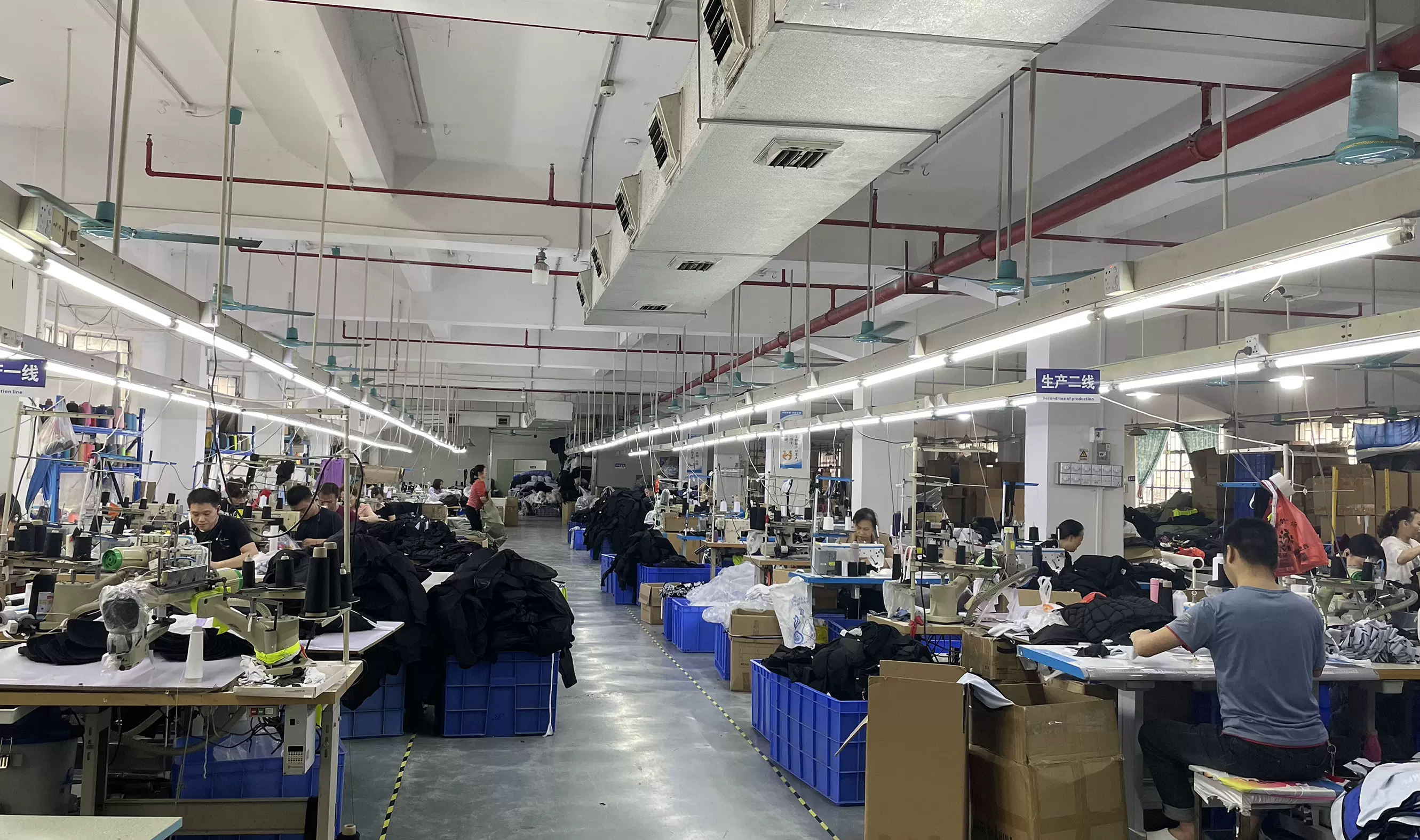
First, check specialization. General sportswear suppliers rarely understand extreme ski protection. The best partners focus exclusively on snow sports, with expertise in low-temperature materials, ergonomic design, and professional impact systems.
Second, verify certifications. Reliable suppliers provide CE EN 1621 test reports, material safety certificates, and quality control documents. These prove products meet international safety standards.
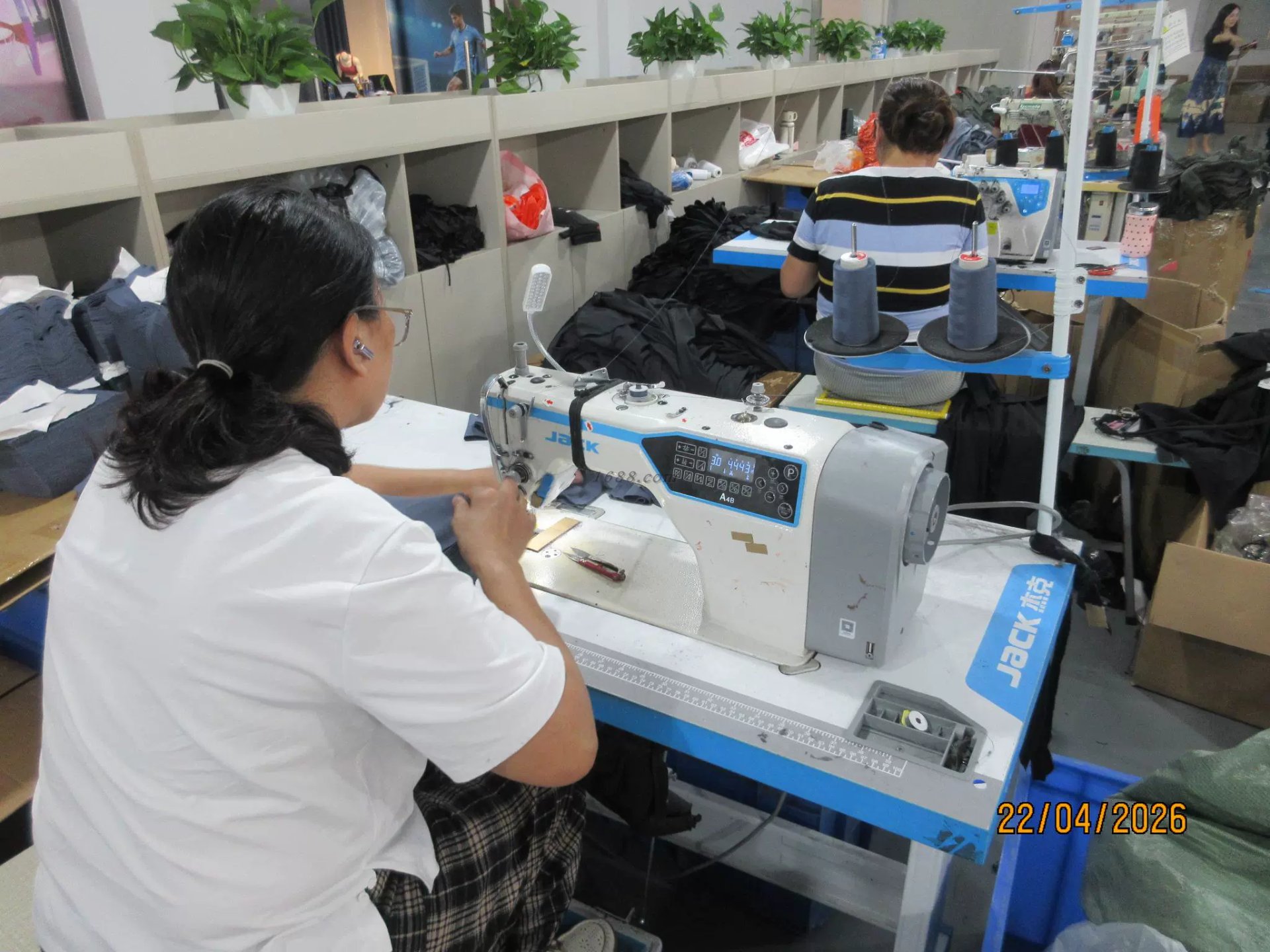
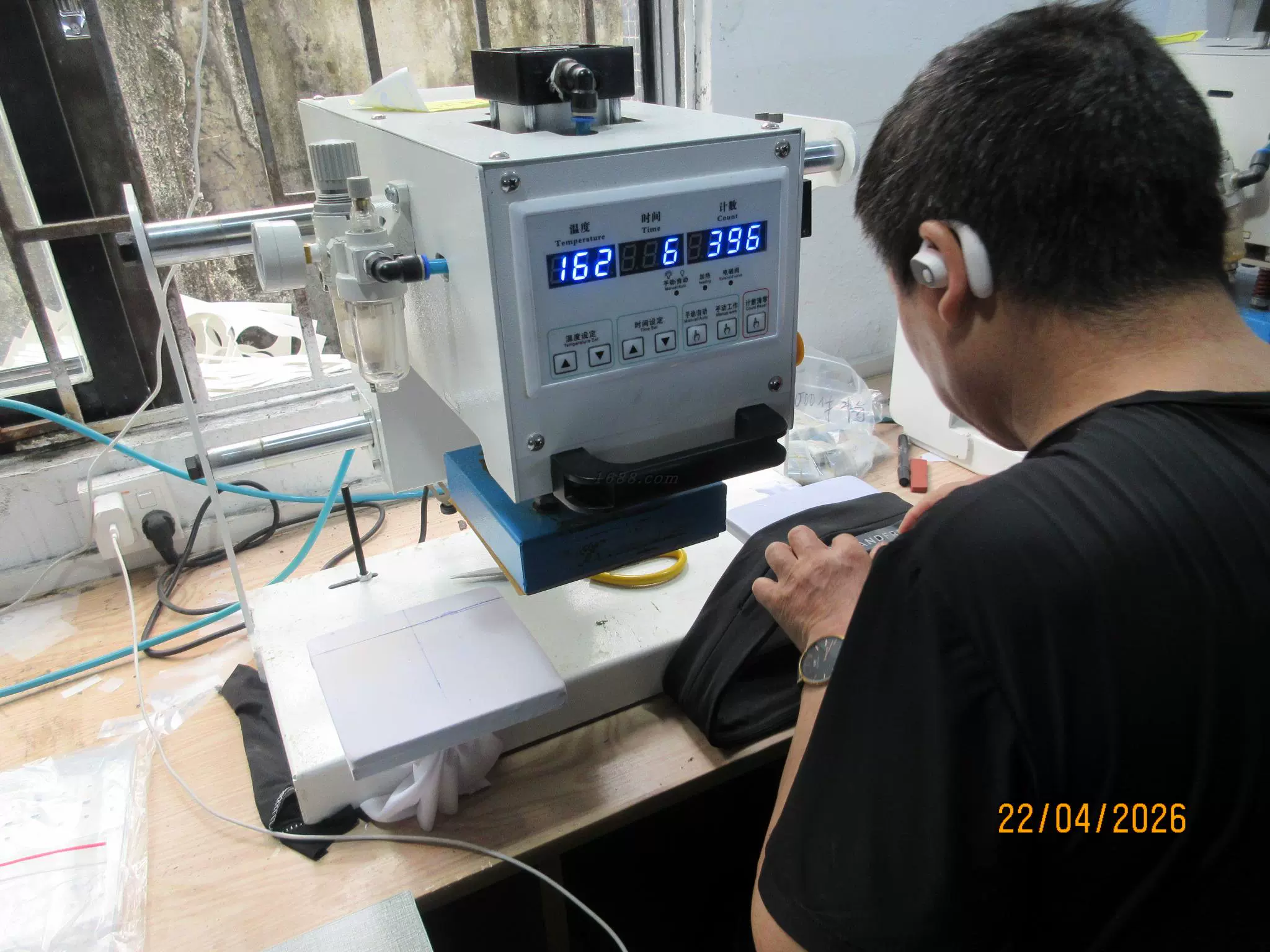
Third, review production and design experience. Look for suppliers with professional factories, strict QC processes, and rider-tested products. Real field testing ensures gear performs in actual snow conditions.
Fourth, check customization capabilities. OEM and ODM support allows you to build unique products with your logo, design, and features. Flexible MOQ is also important for small and medium brands.
Finally, evaluate communication and service. Responsive, transparent suppliers solve problems quickly and keep projects on track. Poor communication leads to misunderstandings and delays.
A strong supplier is more than a manufacturer — it’s a long-term partner. By focusing on specialization, certification, quality, and service, you can choose a supplier that helps your brand grow safely and profitably.
CE EN 1621: What Every Ski Gear Buyer Must Know
For professional ski and snowboard protection, CE EN 1621 is more than just a certification — it’s the global standard for impact safety in extreme sports. Many buyers and brands overlook this certification, but it separates reliable, safe gear from low-quality, untested products. Understanding CE EN 1621 can reduce risks, improve customer trust, and strengthen your brand reputation.
CE EN 1621-1 and EN 1621-2 are the specific standards for motorcycle and snow sports protective gear. They measure shock absorption, impact resistance, and material performance under real-world conditions. Products that pass these tests limit impact force to safe levels, reducing injury risk during falls and crashes.
Without certification, gear may look protective but fail when needed most. Low-grade foam, weak stitching, and poor structure can break or collapse under impact. For importers and retailers, uncertified products also carry legal risks, especially in the European market.
Certified protection offers real benefits: higher customer confidence, lower return rates, stronger market positioning, and compliance with EU regulations. Professional brands always choose certified gear to ensure quality and safety.
When selecting a supplier, always verify CE EN 1621 test reports. Reliable manufacturers provide real certification, not generic labels. This small step ensures your products meet international standards and deliver real value.
In the competitive snow sports market, certification isn’t optional — it’s essential. CE EN 1621 certified protection helps your brand stand for safety, quality, and professionalism.
Low-Temperature Foam: Everything You Need to Know
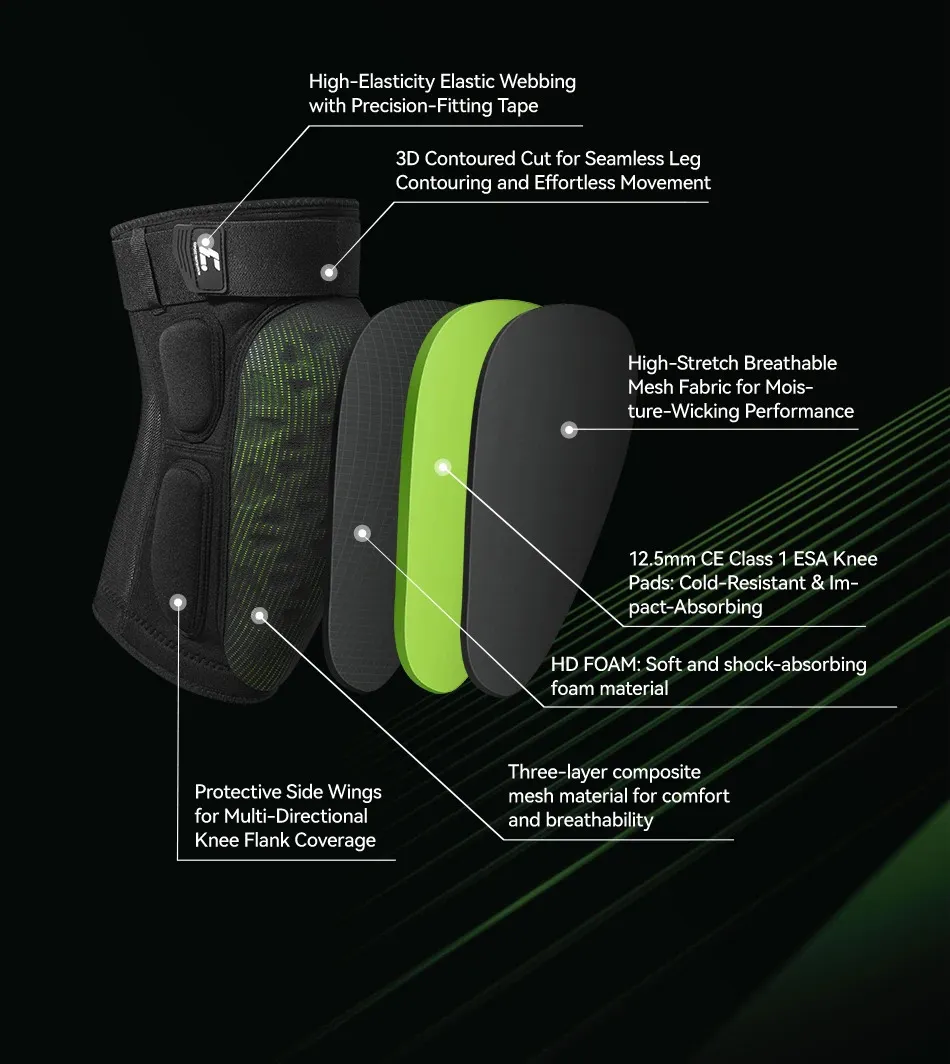
Foam is the heart of ski protection, and not all foam performs equally in cold weather. Standard EVA foam hardens and becomes brittle at low temperatures, making gear unsafe for real mountain conditions. Low-temperature foam solves this problem.
High-performance foam like ESA and advanced composites stays flexible and responsive at -20°C. It maintains shock absorption, elasticity, and comfort even in freezing conditions. This makes a huge difference for riders in Europe, North America, and mountain regions.
The science behind low-temperature foam involves special material composition and production processes. These materials resist freezing and maintain consistent performance across seasons and environments.
For brands and retailers, using low-temperature foam means higher customer satisfaction, fewer returns, and stronger product differentiation. Riders feel and trust the difference immediately.
When selecting a supplier, confirm foam performance with real low-temperature testing data. Professional suppliers provide material test reports and field test results.
In the competitive ski protection market, low-temperature foam is no longer an optional upgrade — it’s a standard feature for professional gear. It ensures safety, comfort, and performance when it matters most.
5 Signs of Low-Quality Snowboard Protection
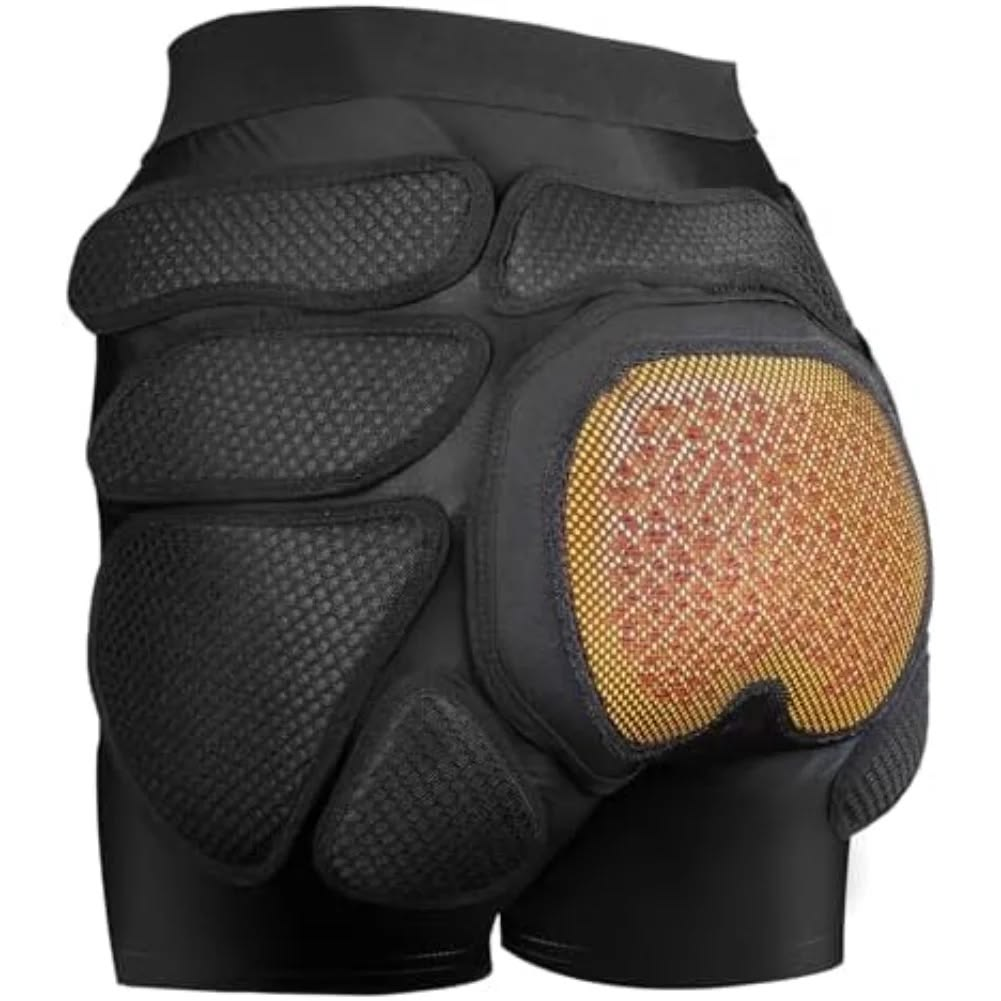
Low-quality ski and snowboard protection looks similar to professional gear at first glance, but it fails quickly in real conditions. Recognizing these five warning signs helps buyers avoid costly mistakes, returns, and unsafe products.
The first sign is stiff, cheap foam. Many low-grade pads use basic EVA that hardens in cold weather. Once frozen, it loses flexibility and shock absorption, putting riders at risk.
The second sign is poor stitching and weak fabric. Thin, lightweight materials tear easily during slides and falls. High-quality gear uses reinforced stitching and durable, abrasion-resistant fabric.
The third sign is shifting padding. Without anti-slip design, pads move, roll, or bunch during riding. This reduces protection and causes discomfort.
The fourth sign is one-size-fits-all construction. Generic fit restricts movement and feels uncomfortable. Professional gear uses ergonomic 3D design for a precise, stable fit.
The fifth sign is missing certification. Uncertified products have not passed impact or safety tests. In Europe and North America, this limits market access and increases legal risk.
Low-quality gear may save money upfront, but it leads to high return rates, bad reviews, and brand damage. Professional protection costs slightly more but delivers long-term value, safety, and customer loyalty.
For serious brands, quality is not an option — it’s a necessity.
Why Most Ski Pads Fail in Cold Weather?
For skiers and snowboarders, cold-weather performance can make or break protective gear. Many riders experience a common problem: pads that feel soft and flexible indoors but turn stiff, hard, and ineffective once exposed to real winter temperatures. The reason is simple: most standard protective gear uses low-grade EVA foam that hardens in cold environments. When foam stiffens, it loses shock absorption, leaving riders vulnerable to impact injuries on jumps, hard landings, and icy slides.
At real ski and snowboard conditions—especially at -10°C or lower—ordinary gear cannot maintain performance. Cheap materials crack, lose flexibility, and fail to protect when needed most. For professional riders, retailers, and brands, this results in higher return rates, lower customer satisfaction, and lost sales.
The solution is high-performance, low-temperature-resistant foam designed specifically for extreme winter sports. Premium impact materials like ESA and advanced shock-absorption composites stay flexible and responsive even at -20°C. They maintain consistent protection without hardening, ensuring safety in real mountain conditions.
Another common failure is poor construction. Standard pads use basic stitching, weak structure, and one-density padding, while professional-grade protection uses multi-layer impact systems, targeted reinforcement, and abrasion-resistant panels on high-wear zones. Anti-slip construction also prevents shifting during tricks and landings.
For brands and importers, choosing the right protection supplier means more than just comparing prices. It means selecting a partner that understands cold-weather engineering, professional rider needs, and real-world durability. High-quality ski protection reduces complaints, builds brand loyalty, and differentiates products from mass-market gear.
In the end, ski gear is not about casual comfort—it’s about performance when safety matters most. Professional-grade, cold-tested protection ensures riders stay safe, brands stay reliable, and businesses stay competitive in the extreme sports market.
The Real Difference Between Casual & Extreme Ski Protection
Not all ski protection is created equal. Casual gear and extreme sports protection may look similar, but their design, materials, and performance are completely different. Understanding these differences is critical for brands, retailers, and importers who want to offer high-value, high-durability products.
Casual ski protection is designed for beginner riders, flat slopes, and low-impact use. It uses basic EVA foam, standard fabrics, and minimal reinforcement. In cold weather, this foam hardens. During falls, the padding shifts or bunches. Abrasion areas wear out quickly. For casual users, this may be acceptable—but for park, big mountain, and backcountry riders, it is unsafe.
Extreme ski protection is engineered for high-impact crashes, icy slides, and harsh winter conditions. It uses multi-density, low-temperature-resistant foam that remains flexible at -20°C. Reinforced panels at the tailbone, hips, and thighs resist tearing against snowboard edges and ice rails. Professional protection also includes an anti-slip system to keep pads in place during jumps and landings.
Fit is another major difference. Casual gear often uses loose, one-size-fits-all construction that restricts movement. Extreme protection uses ergonomic 3D patterning designed to fit under ski pants without bulk. Breathable mesh panels reduce sweat and moisture during all-day riding.
Certification also separates casual from professional gear. Top extreme protection meets CE EN 1621-1 standards for impact resistance, ensuring reliable safety for high-level sports.
For businesses, the advantage of offering extreme protection is clear: higher customer trust, lower return rates, stronger brand positioning, and better profit margins. Riders are willing to invest in gear that performs in real situations.
If you want to stand out in a crowded market, choose a specialist supplier that focuses on extreme snow sports protection—not a general trader offering casual gear. Professional protection performs better, lasts longer, and builds long-term loyalty for your brand.